An intercooler upgrade is a game-changer for turbo/supercharged cars, delivering a significant performance boost while enhancing reliability. Imagine feeling the surge of additional horsepower, navigating with confidence, and experiencing a more responsive drive-all achievable with the right intercooler upgrade. This crucial component plays a pivotal role in managing the substantial heat generated by turbo or supercharger systems. This article will delve into the importance of an intercooler upgrade for turbo/supercharged cars, exploring its benefits, challenges, and installation considerations. We will examine practical examples and discuss the cost-benefit analysis. We will also address potential issues and provide valuable insights into maintenance strategies.
The Crucial Role of the Intercooler
Understanding the Core Function
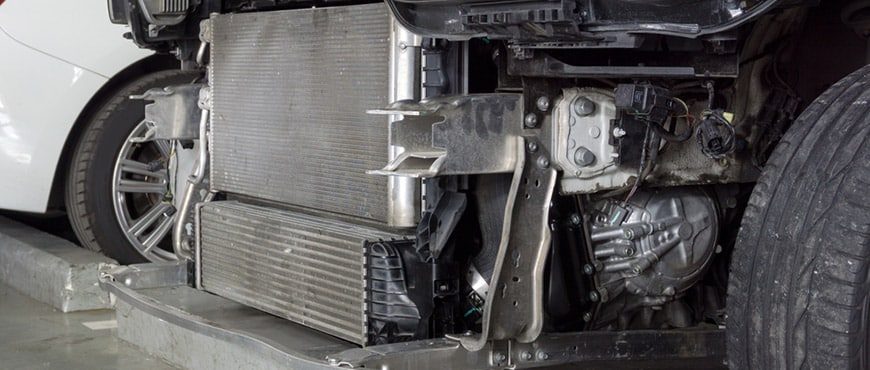
The intercooler acts as a heat exchanger, playing a critical role in cooling down the compressed air from the turbocharger or supercharger. Without proper cooling, the compressed air entering the engine can reach dangerously high temperatures. The resulting increase in air temperature directly impacts engine performance by reducing the air density and lowering the amount of fuel that can be efficiently mixed with it. This results in decreased horsepower and torque output. Hence, the intercooler’s primary function is to lower the temperature of this compressed air to optimal levels, maximizing the engine’s efficiency and performance.
The Impact on Performance
Turbocharged and supercharged engines rely heavily on high air density for optimal combustion. High air temperatures significantly reduce this density, causing a direct impact on horsepower and torque output. The intercooler’s ability to cool the air effectively is crucial in maintaining high air density and thus maximizing performance. In practical terms, a properly functioning intercooler allows for greater fuel efficiency and a more responsive drive, making it a key component for turbocharged or supercharged enthusiasts who demand high performance.
Enhancing Engine Efficiency and Longevity
Heat Management for Enhanced Performance
An improperly cooled engine faces several performance-related challenges. Excessive heat can damage engine components, such as pistons, valves, and bearings, potentially leading to premature failure. The intercooler effectively manages the heat generated by the turbocharger or supercharger, preventing these components from overheating and significantly extending their lifespan. Prolonged use of the car without proper cooling can damage the turbocharger itself. This leads to costly repair and replacement procedures, making the intercooler upgrade a cost-effective investment that guarantees longevity.
Minimizing Potential Damage
In cars that have high-performance turbo or supercharger systems, maintaining efficient heat management is crucial for longevity. A damaged turbocharger, piston, or valve can result from poor heat exchange. In the case of extreme heat issues, the entire engine assembly may overheat, thus causing extensive damage to the engine. The intercooler acts as a crucial component in mitigating these risks, thus extending the engine’s lifespan. Furthermore, a properly functioning intercooler allows the engine to operate more efficiently in high-temperature environments, enhancing the vehicle’s durability.
Choosing the Right Intercooler Upgrade
Evaluating Various Options
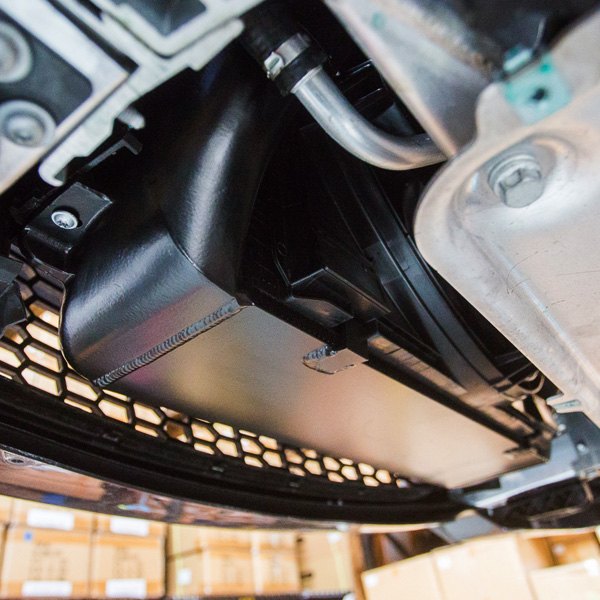
Several types of intercoolers are available, each offering different benefits and drawbacks. Considerations include the make, model, and year of your vehicle. Ensure the intercooler is compatible with your vehicle’s specific specifications and engine performance needs. Some aftermarket intercoolers offer advanced features such as larger core sizes for increased cooling capacity and improved airflow for enhanced performance. Others offer specific design characteristics or aesthetic customizations. Research and comparison between different intercooler brands is vital in choosing the optimal fit.
Installation and Maintenance Considerations
Proper installation of an intercooler upgrade is vital for its effectiveness. Seek qualified mechanics with experience in installing performance parts for the best results. Ensure proper connections and secure mounting to prevent leaks or damage to the intercooler. Regular maintenance is also crucial. Inspecting the intercooler for any signs of damage or leaks can help prevent potential issues. Thorough cleaning and proper care can significantly enhance the lifespan of the intercooler.
Real-World Examples and Case Studies
Performance Gains and Reliability
A common case study involves a customer who experienced decreased horsepower and increased engine temperatures in their supercharged car. The addition of a properly sized and fitted intercooler upgrade resulted in a noticeable performance improvement, returning to a better-than-expected performance and decreasing overheating. These improvements in performance and reliability can vary greatly based on the original engine setup and the specifics of the intercooler upgrade. Consult with experts and use reliable resources to identify the best option.
Cost-Effectiveness and Long-Term Benefits
The initial investment of an intercooler upgrade might appear high at first, but the potential long-term benefits can outweigh the costs. Significant improvement in engine efficiency and decreased maintenance expenses directly contribute to a higher return on investment. The increased lifespan of the engine and turbocharger components is an additional gain that can easily outweigh the costs associated with an upgrade. Overall, the investment is highly cost-effective and practical, especially for enthusiast drivers.
Beyond the Basics: Advanced Considerations
Advanced Design Considerations
Some advanced intercoolers utilize innovative designs or materials to enhance cooling performance. These may include advanced materials for enhanced heat dissipation, intricate fin designs for increased surface area, or specialized coatings to reduce heat transfer. These components provide additional benefits beyond standard cooling by minimizing overall heat buildup, thus enhancing performance.
Tuning and Optimization
Engine tuning may be necessary to fully optimize the performance gains from an intercooler upgrade. Properly adjusting fuel maps and ignition timing in conjunction with the cooling upgrade allows for peak performance. Working with knowledgeable mechanics and tuning specialists is crucial for achieving the maximum benefit of the upgrade.
Frequently Asked Questions
What are the potential downsides of not upgrading the intercooler?
Without an intercooler upgrade, your turbocharged or supercharged car faces the risk of overheating issues. This leads to decreased horsepower, performance degradation, and ultimately, damage to critical engine components. Extended periods of operation at elevated temperatures can also damage the turbocharger itself, causing costly repairs down the line. Ultimately, neglecting an intercooler upgrade can result in compromised performance and premature engine wear.
How much does an intercooler upgrade typically cost?
The cost of an intercooler upgrade varies significantly depending on the make, model, and year of your vehicle, as well as the specific intercooler and installation requirements. High-quality aftermarket intercoolers can range from several hundred to several thousand dollars, depending on the quality and features. Installation costs can add to this total, so it’s advisable to get quotes from qualified mechanics. Research and compare prices among various vendors before making a decision.
In conclusion, an intercooler upgrade is a crucial investment for turbo/supercharged cars seeking enhanced performance and reliability. This upgrade helps manage the vital heat exchange process, ultimately boosting horsepower, torque, and overall driving experience. If you’re experiencing performance limitations or noticing overheating issues, consider an intercooler upgrade as a significant step towards optimizing your car’s potential. Don’t hesitate to consult a qualified mechanic for proper installation and maintenance advice. This will ensure a smooth and safe upgrade process, guaranteeing optimal performance.