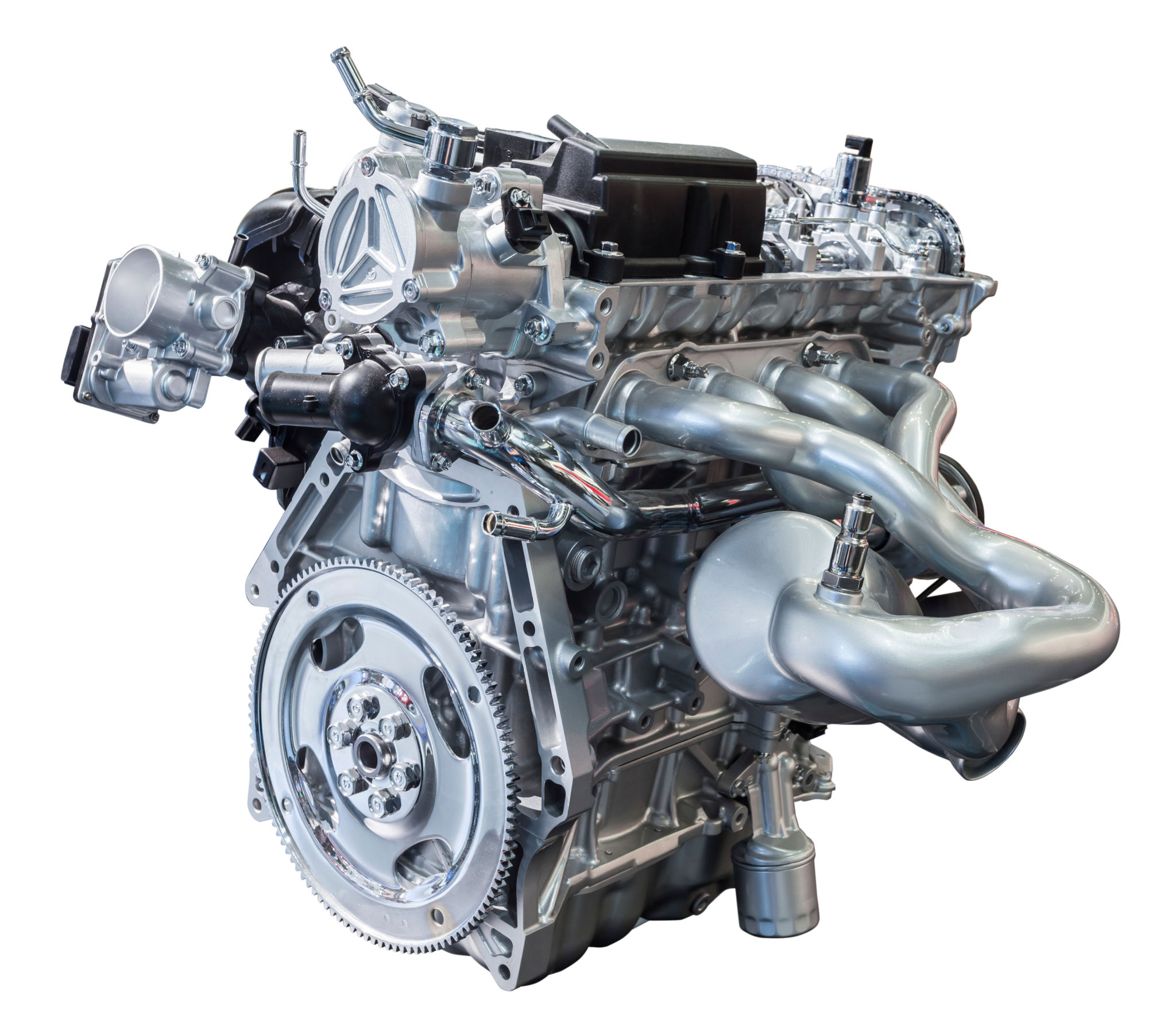

Chip tuning is a popular modification for increasing vehicle performance, but numerous myths and misconceptions surround it. Understanding the real impact of chip tuning is crucial for making informed decisions. This guide debunks common chip tuning myths and provides a comprehensive overview of the procedure, benefits, and risks, ensuring you’re fully aware of what chip tuning entails. This includes exploring the pros and cons of chip tuning, examining the potential risks of tuning, and highlighting strategies for optimizing your fuel economy and ensuring your warranty remains intact. We will delve into the world of engine optimization and tuning, and discuss how specific models may respond to particular tuning processes.
Understanding Chip Tuning: Unveiling the Truth Behind the Modification
Chip tuning, often associated with performance upgrades, is a process involving modifying the vehicle’s engine control unit (ECU) to alter its function. This modification, which rewrites the computer program controlling the car’s engine functions, can lead to improved performance, but there are several potential side effects and dangers to consider, especially if the tuning is not professionally done. It’s critical to approach chip tuning with a clear understanding of the potential repercussions and not fall prey to misconceptions. By understanding the actual process and scrutinizing the claims of chip tuning providers, you can make informed decisions.
Unveiling the Mechanisms Behind Chip Tuning
Chip tuning rewrites the software, known as the ECU, that manages the engine. This alteration can adjust various factors, such as fuel injection timing, ignition timing, and air intake, potentially resulting in improved performance. The complexity of these modifications and the importance of precision cannot be overstated. Many factors must be carefully balanced for optimal results.
Debunking Fuel Economy Myths
Many believe that chip tuning automatically equates to decreased fuel economy. While some tunings may impact fuel efficiency, it isn’t always a negative outcome. A skilled tuner can sometimes optimize the tuning to maximize performance while maintaining or even slightly improving fuel economy. It’s crucial to remember that fuel efficiency is highly dependent on several factors, not just the tuning parameters. Driving habits and vehicle maintenance play equally significant roles.
Exploring Fuel Efficiency Variations
Fuel efficiency changes can result from multiple variables, including engine control parameters, the driving conditions, and the driver’s habits. Aggressive driving, for instance, will invariably consume more fuel, regardless of the tuning.
Fuel Consumption and Driving Habits
Aggressive acceleration, sudden braking, and high-speed driving all contribute to increased fuel consumption. These factors, in combination with specific tuning adjustments, can significantly influence how your car handles fuel.
Warranty Voiding: Understanding the Implications
One of the most significant concerns regarding chip tuning is its potential impact on the vehicle warranty. Often, chip tuning will void the warranty, meaning you lose the manufacturer’s coverage for any issues that arise. It’s important to understand your vehicle’s warranty terms and consult with a representative from the manufacturer before proceeding with chip tuning.
Assessing the Impact of Modifications on Your Vehicle’s Guarantee
It’s crucial to contact your manufacturer directly for a definitive answer, as specific policies may vary based on regional or local practices. Researching your specific vehicle’s tuning capabilities will allow you to make an informed decision about whether or not to proceed with any modifications.
The Role of Professional Tuning in Enhancing Performance
While DIY chip tuning is an option, employing a professional automotive tuning specialist is highly recommended. Experienced tuners have a thorough understanding of your vehicle’s intricacies, enabling them to fine-tune settings to optimize performance within the vehicle’s limitations. This expertise translates into more tailored results.
Why Professional Tuning is Crucial for Optimal Outcomes
Professional tuners possess specialized knowledge and equipment for proper tuning. They possess in-depth knowledge of the vehicle’s specific systems and can adjust the tuning parameters to align with both performance and safety standards. This can lead to a more substantial performance gain while ensuring that the tuning is compatible with the engine’s specifications and prevents any adverse effects.
Assessing the Financial Investment
The financial aspect of chip tuning needs careful consideration. Professional tuning services often come with a cost, and the pricing may vary according to the tuning complexity and the vehicle’s specifications. However, the performance improvements often outweigh the initial investment, particularly for those who wish to get the most out of their vehicles.
Exploring Various Pricing Models
Tuning services vary greatly in their pricing structures, so it’s essential to get an overview of the service costs before proceeding. Consulting with multiple providers can provide you with a clearer idea of the cost landscape.
Understanding the Impact on Emissions and Safety
Proper chip tuning can positively affect vehicle emissions and safety by enhancing responsiveness and improving the vehicle’s overall control. However, improper tuning might potentially lead to issues, thereby negatively impacting emissions and safety standards. The use of proper equipment and the maintenance of precise protocols will ensure that your safety remains uncompromised.
Importance of Safety Considerations in Tuning Processes
In-depth comprehension of the potential effects of adjustments is crucial to ensure that the modification is both beneficial and safe for the vehicle.
Evaluating the Tuning Process and its Implications
Careful consideration and proper evaluation of the tuning process and its implications on a variety of car performance aspects are essential. Evaluating the tuning process and understanding how it impacts various facets of vehicle performance is essential for ensuring a successful outcome.
The Significance of Evaluation in a Tuning Process
Evaluating the tuning process ensures a successful and tailored outcome. This helps identify areas requiring improvement and allows for adjustments and fine-tuning before finalizing the process.
Exploring the Potential for Performance Upgrades
Consider the potential for performance upgrades that are offered by chip tuning. Understanding the benefits, along with the potential drawbacks and associated costs, will help you make informed decisions. The potential for performance upgrades is a central concern in chip tuning.
Exploring Performance Upgrades and their Implications
It’s important to remember that the potential for performance upgrades is dependent upon various factors, including the type of car you have and how the tuning is executed. Evaluating the different choices based on your car will allow you to make the best decision.
Conclusion for Chip Tuning
Chip tuning is a complex process with potential benefits and drawbacks, and a thorough understanding is required before undertaking such a modification. The decision to pursue chip tuning should weigh the potential performance gains against the potential risks. Consulting with an experienced professional is crucial to ensure a positive and safe experience.
The Importance of Professional Advice for Chip Tuning
The involvement of experienced professionals plays a pivotal role in determining the final outcome of the chip tuning process. Professionals possess the expertise to tailor the adjustments to your vehicle’s specific needs, maximizing performance while minimizing risks. Proper chip tuning leads to improved performance with minimal potential issues.
Frequently Asked Questions
What are the potential risks of chip tuning?
Chip tuning, while offering potential performance gains, carries inherent risks. These include voiding your vehicle warranty, causing engine damage if improperly tuned, leading to increased fuel consumption and potential emissions issues, and potentially causing electrical problems. The risks are directly tied to the quality of the tuning service and the suitability of the tuning parameters for your car. Always consult with a qualified mechanic for personalized recommendations.
Is chip tuning worth the investment for a performance upgrade?
The value of chip tuning for performance depends greatly on your specific vehicle, driving habits, and desired performance. While chip tuning can provide noticeable gains for some vehicles, others may see marginal or negligible gains. It’s essential to weigh the cost of tuning, potential risks, and the expected gains against your budget and preferences. Consider alternatives like tire upgrades or aerodynamic modifications if a performance upgrade is your main goal. Consult with an experienced tuner for a realistic assessment of your vehicle’s capabilities and the tuning’s potential impact.
How does chip tuning affect fuel economy?
Chip tuning can affect fuel economy in various ways, depending on the specific tuning parameters and the vehicle in question. Some tuning strategies might improve fuel efficiency, whereas others will worsen it, often due to increased engine load or altered engine control parameters. The outcome heavily relies on the tuning professional’s skill and experience and the vehicle’s original design.
In conclusion, chip tuning myths abound, but understanding the facts is crucial for making informed decisions. This guide debunks common misconceptions and highlights the real benefits and risks associated with chip tuning. If you’re considering chip tuning, consult with a reputable professional and understand the specific implications for your vehicle. Learn more about the latest advancements in engine optimization and responsible modifications by visiting our website.