Regenerative braking is a revolutionary technology transforming the way electric vehicles (EVs) operate. It’s a key component driving EV efficiency and sustainability, allowing for extended range and reduced environmental impact. This article dives deep into the mechanics of regenerative braking, its impact on EV performance, and the evolving technology behind it. This in-depth exploration of regenerative braking will help you better understand the power behind this crucial technology and its future applications. We will analyze how regenerative braking improves the efficiency of EVs, offering solutions to common issues and insights into the future of this transformative technology.
The Fundamentals of Regenerative Braking
Understanding the Principle of Energy Recovery
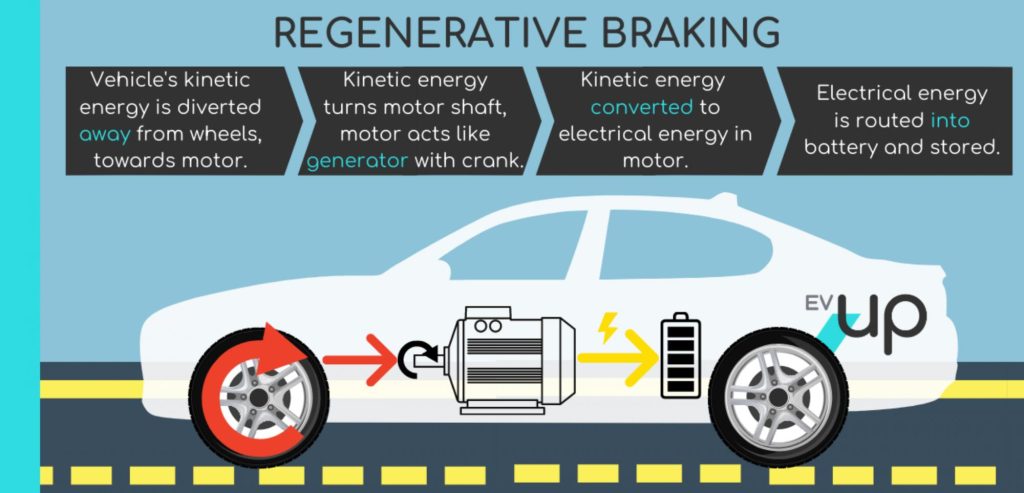
Regenerative braking, a defining feature of electric vehicle technology, is a game changer in terms of energy conservation. Instead of dissipating braking energy as heat through friction like conventional braking systems, regenerative braking re-captures the energy lost during deceleration and stores it in the vehicle’s battery. This process effectively extends the driving range of electric vehicles while significantly reducing their environmental footprint. The primary principle behind regenerative braking is quite simple: during deceleration, the electric motor acts as a generator. The kinetic energy of the vehicle is converted into electricity, which is then channeled back into the battery.
How Regenerative Braking Enhances EV Efficiency
Maximizing Battery Life and Range
Regenerative braking enhances EV efficiency in multiple ways. By converting kinetic energy into electricity, the system essentially recharges the battery while braking. This not only significantly improves driving range but also prolongs the battery’s overall lifespan. By minimizing the energy lost during braking, EVs can travel further on a single charge, reducing the need for frequent charging, and subsequently reducing the environmental impact. A study by the University of California, Berkeley, estimated that regenerative braking can improve EV range by an average of 10-15%, depending on driving conditions and vehicle specifics.
The Role of Electric Motors in Energy Conversion
Regenerative Braking Mechanisms
In electric vehicles, the electric motor is central to regenerative braking. When the driver applies the brakes, the electric motor reverses its function. The rotational energy from the wheels is converted into electrical energy, which flows back to the battery. This reversal of operation is made possible by the versatile nature of electric motors and is an integral part of the EV design. Furthermore, the intelligent control systems manage the rate of energy recovery based on factors like speed, braking intensity, and vehicle load, optimizing battery charging and maximizing efficiency.
The Impact of Regenerative Braking on Environmental Sustainability
Reducing Carbon Footprint and Emissions
Regenerative braking plays a pivotal role in minimizing the environmental impact of electric vehicles. By recovering energy during braking, EVs reduce the amount of electricity needed to maintain a given level of driving. The result is a lower carbon footprint, with fewer emissions released into the atmosphere. Furthermore, the process dramatically reduces dependency on fossil fuels. This sustainable feature aligns perfectly with current environmental concerns, making regenerative braking a valuable technology for a more sustainable future.
Real-world Applications and Examples
Case Studies and Data Points
Several examples highlight the effectiveness of regenerative braking in real-world scenarios. Tesla, a pioneer in EV technology, utilizes highly efficient regenerative braking systems in their models. Their vehicles recover a substantial portion of braking energy, extending range and improving overall efficiency. Additionally, reports indicate that many EV drivers notice a noticeable improvement in overall driving range compared to older EVs without the benefit of advanced regenerative braking systems. This highlights the tangible benefits of this technology.
Future Trends and Innovations
Enhanced Regenerative Braking Systems
The future of regenerative braking looks promising, with ongoing research focused on enhancing its effectiveness. Researchers are developing advanced systems that can recover a greater proportion of braking energy, even at lower speeds. Furthermore, more sophisticated control algorithms can optimize the charging rate, enhancing both efficiency and convenience for the driver. This technology promises to play a greater role in the future of sustainable transport.
Challenges and Limitations
Considerations for Real-World Applications
Despite the benefits, regenerative braking is not without its limitations. The efficiency of energy recovery depends on a variety of factors, such as the vehicle’s speed, the intensity of braking, and the overall design of the electric motor and battery. Also, the infrastructure for charging EVs should support and accommodate these features. In addition, the maximum regeneration power is often dependent on the physical design of the components, making it limited by factors such as the capacity of the battery system.
Comparing with Conventional Braking Systems
Advantages and Disadvantages
Comparing regenerative braking with conventional braking systems shows a clear advantage in terms of energy efficiency. Regenerative braking reuses energy, unlike conventional systems that dissipate it as heat. However, conventional systems often rely on robust mechanical braking components that provide physical stopping power. This robust mechanical braking provides stability but consumes significant energy without any energy recovery. Regenerative braking offers a more sustainable, efficient alternative.
Considerations for EV Buyers
Choosing EVs with Advanced Regenerative Braking
When considering an electric vehicle, the presence of a robust regenerative braking system should be a key factor in your decision-making process. Features such as high energy recovery capacity and adaptable braking modes greatly enhance driving range, efficiency, and sustainability. Look for vehicles with sophisticated regenerative braking that allow for customizable driving styles to maximize energy recovery. This will ensure that you are choosing an EV that effectively utilizes the full potential of regenerative braking.
Frequently Asked Questions
What are the key benefits of regenerative braking for EV efficiency?
Regenerative braking, a core component of electric vehicle (EV) technology, significantly contributes to enhanced EV efficiency by recovering kinetic energy during deceleration. This recovered energy, which would otherwise be lost as heat, is redirected back into the battery, essentially extending the EV’s range. The net effect is less energy consumed from the grid, making EVs more sustainable. This system improves EV range and reduces reliance on external charging. Furthermore, regenerative braking reduces wear and tear on brake pads, leading to longer lifespan for the vehicle.
How does regenerative braking work in an EV?
In a conventional car, braking energy is transformed into heat through friction. Regenerative braking, on the other hand, utilizes the electric motor to act as a generator. When the driver applies the brakes, the motor reverses its function, converting the kinetic energy into electricity. This electricity is then stored in the EV’s battery. This process is smoother and more efficient than traditional braking and allows for recovery of energy for use later. This system is integral to the operation and efficiency of modern EVs.
What are the technical limitations of regenerative braking systems?
While regenerative braking is generally very effective, certain limitations exist. The power of energy regeneration is contingent on the design of the EV and its mechanical components. For example, the efficiency of energy recovery is dependent on the vehicle’s speed and braking intensity. Also, the charging infrastructure available can sometimes limit the effectiveness of fully regenerating the energy. Future advancements in technology aim to address these limitations and further improve the efficacy of regenerative braking.
In conclusion, regenerative braking in electric vehicles is a game-changer for efficiency and sustainability. By harnessing the energy normally lost during braking, EVs can significantly improve their range and reduce their environmental impact. Further research and development into advanced regenerative braking systems will further enhance their effectiveness. To maximize the benefits of regenerative braking, consider purchasing an EV with a strong regenerative braking system, and understanding how to utilize it effectively can greatly enhance your experience and the overall efficiency of your vehicle. Interested in learning more about maximizing your EV’s efficiency? Visit our website for more details!