
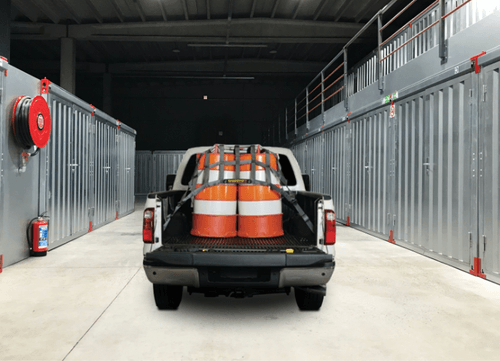
Load securement for trucks is paramount for safe and efficient transportation of goods. Imagine a shipment that arrives at its destination intact and undamaged, a testament to meticulous load securing techniques. This article delves into the crucial aspects of load securement, helping you understand its importance, different methods, and best practices. We’ll examine how proper securement techniques protect your cargo, prevent accidents, and reduce transportation costs. We’ll also explore the critical elements of choosing the right equipment and personnel training. This article will be structured to cover various securement methods, analyze challenges, and offer expert guidance. You’ll understand the importance of effective load securement for trucks and how to implement these practices for successful and reliable deliveries.
The Importance of Load Securement
Understanding the Risks of Improper Securement
Improper load securement is a significant contributor to transportation accidents and delays. Cargo shifting during transit can cause significant damage to the goods themselves, leading to financial losses for both the shipper and the receiver. Moreover, the risk of accidents is exponentially increased when cargo is not properly secured. A sudden stop or sharp turn can cause unsecured cargo to shift, potentially injuring drivers or passengers and causing significant property damage. Imagine a truck carrying fragile electronics—if the load shifts, the electronics could be damaged, leading to significant financial loss for the retailer and the shipping company. Furthermore, improper securement can lead to legal issues, as shippers can be held responsible for damages resulting from unsecured loads. Therefore, understanding the importance of securement practices is paramount.
Choosing the Right Load Securement Methods
Factors Influencing Securement Method Selection
Several factors determine the optimal load securement method, such as the type of cargo being transported, the vehicle’s capabilities, and the route’s conditions. For example, fragile or easily damaged items demand specialized handling and appropriate protective measures. The weight and dimensions of the cargo are critical factors. Heavy or oversized cargo requires sturdy securing points and possibly specialized equipment to prevent shifting. The expected stresses during the journey, such as bumps or turns, must also be considered to anticipate and prevent any cargo movement. In addition, understanding the route’s potential hazards is crucial, especially considering the presence of corners, hills, or varying terrains. A comprehensive assessment of all factors ensures the appropriate securing method is selected.
Implementing Securement Techniques Effectively
Utilizing the Right Equipment
Utilizing the correct load securement equipment is essential for successful implementations. Securement straps, tie-downs, and nets are essential tools, and selecting the right type is essential. For instance, specialized straps are necessary for oversized and heavy loads. Properly selecting the right equipment is pivotal, as inappropriate equipment could lead to damage or loss of cargo. The equipment’s capacity must exceed the anticipated stresses on the cargo throughout the journey. Moreover, the appropriate securing method should adhere to safety regulations and industry best practices. This includes maintaining the proper tension and ensuring secure connections. The use of securing points, like tie-down loops, and their strategic placement in the cargo area is crucial to the overall stability of the shipment.
Safeguarding Cargo with Securement Systems
Preventing Cargo Shifting and Damage
Preventing cargo shifting is a primary objective in effective load securement. The goal is to minimize any movement of the cargo during transport. This can be achieved by employing various securing systems, including lashing straps, chains, or other specialized equipment. Proper distribution of the load is vital; the cargo must be evenly distributed, and each item must be secured individually. Moreover, the cargo should be appropriately cushioned, protecting it from any potential movement or impact. Proper securement helps in preventing damage during transport and ensures the cargo reaches its destination in perfect condition. Furthermore, the securement system must be regularly maintained and inspected to ensure its efficiency and suitability for the specific cargo.
Maintaining Compliance with Regulations
Adhering to Industry Standards and Legal Requirements
Maintaining compliance with load securement regulations is crucial. Failure to adhere to safety guidelines may result in fines and penalties. Understanding and following regulations is vital to prevent accidents and assure smooth transportation operations. Regulations vary by jurisdiction; hence, it’s essential to consult the relevant regulatory bodies to ensure you meet the specific standards for the areas you are traversing. Furthermore, you must comply with specific rules and regulations for transporting specific cargo types, such as hazardous materials or oversized goods. By adhering to industry best practices and legal requirements, shippers can ensure the safety of the transportation process and avoid potential issues. This often includes regular inspections of the securement equipment and processes. Shippers must meticulously document the securement procedures to have documentation in case of any issues.
FAQ
How can I choose the correct load securement method for my cargo?
The choice of load securement method depends on various factors, including the type of cargo, the vehicle’s characteristics, and the route’s conditions. Different types of cargo demand specific techniques. For example, bulky or fragile items require specialized restraints to prevent damage during transport. A thorough understanding of your cargo and the vehicle’s capabilities is paramount to selecting the most appropriate methods. Consulting load securement experts and leveraging their experience can significantly enhance your decision-making process and ensure the successful and safe delivery of goods. Additionally, assessing the vehicle’s weight capacity and the expected stresses during transit is essential to prevent overloading and ensuring the safety of your freight.
In conclusion, load securement for trucks is crucial for safe and efficient transportation. By implementing the strategies outlined above, businesses can significantly reduce the risk of cargo shifting, damage, and delays. Investing in proper load securement equipment and training personnel is a wise investment that pays dividends in terms of safety, cost savings, and customer satisfaction. To ensure your cargo arrives safely and without incident, contact a load securement expert today for a comprehensive evaluation of your current processes and implementation of optimal solutions.