Keeping cool: the vital role of thermal management in EV batteries is paramount to ensuring their longevity and performance. Extreme temperatures can damage EV battery cells, reducing their lifespan and potentially leading to safety risks. Thermal management systems are designed to keep EV batteries at an optimal temperature range, and their importance cannot be overstated. This article explores the intricacies of EV battery thermal management, from the underlying science to practical applications. We will also delve into the potential challenges and innovative solutions that are shaping the future of electric vehicle technology. We will discuss the different cooling mechanisms, the materials used in thermal management systems, and the impact of battery management systems on thermal performance. Finally, we will touch upon the future implications of thermal management for EV batteries and the path towards sustainable practices.
Understanding the Critical Need for Thermal Management
The Science Behind Battery Temperature
EV batteries, unlike traditional gasoline engines, store energy in a complex electrochemical system. The chemical reactions within these systems generate heat as a byproduct. This heat must be effectively managed to prevent thermal runaway. This uncontrolled temperature increase can cause damage to battery cells, leading to potential safety hazards and decreased lifespan. Proper thermal management is essential in ensuring EV batteries function reliably and safely over their lifespan. The goal of thermal management systems is to control the temperature within the battery pack, maintaining a constant and optimal range. A delicate balance is necessary to ensure peak performance while keeping operational temperatures within the safe range. A key factor is the understanding of the heat generation mechanisms inside the battery pack itself.
Designing Effective Cooling Systems
Different Cooling Strategies
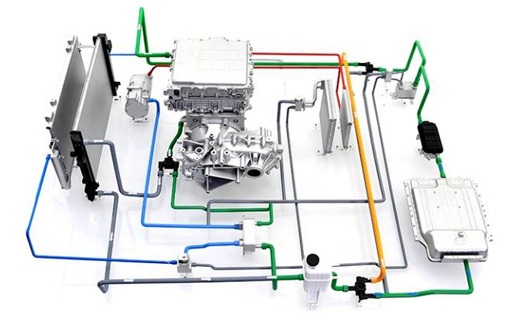
Innovative cooling solutions are critical for maintaining optimal temperatures. A variety of methods, from liquid cooling to solid-state systems, are used to dissipate the heat generated during operation. Liquid cooling is frequently used, which is highly efficient due to the high heat capacity of liquids. This system uses coolant circulated through channels in the battery pack. The coolant absorbs heat from the cells and dissipates it through a heat exchanger. Alternatively, solid-state cooling involves the use of heat-dissipating materials within the battery pack, effectively drawing heat away from the cells and radiating it outwards. Advanced materials such as phase-change materials, which absorb and release heat at specific temperatures, are increasingly being explored for their efficiency in regulating temperature fluctuations.
Maintaining Temperature Consistency
Maintaining consistent temperature throughout the battery pack is crucial for preventing hot spots, which can lead to localized damage and thermal runaway. Active cooling systems can actively adjust the cooling strategies according to real-time temperature data. These systems can adjust coolant flow or activate cooling elements to compensate for different operating conditions.
Battery Management Systems: The Brain of Thermal Management
The Role of BMS
Battery Management Systems (BMS) are integral components in modern EV batteries. These systems monitor various parameters such as voltage, temperature, and current to ensure safe operation. Critical to thermal management, BMSs play a crucial role in adjusting the charging rate, discharging rate, and other operational parameters in response to temperature variations. This ensures the cells are not subjected to undue stress. The BMS continuously monitors the temperature of each cell and alerts the driver or the car system if a potential issue is detected. This real-time monitoring can prevent thermal runaway and promote battery longevity.
Adaptive Strategies
Sophisticated BMSs employ adaptive strategies to optimize thermal management based on real-time conditions. These intelligent systems can predict potential temperature changes and adjust cooling strategies proactively. This anticipatory approach helps prevent overheating and potential damage to cells and increases the lifespan of the batteries.
Advanced Materials and Technologies
Innovative Materials
The development of advanced materials is critical to enhancing thermal management effectiveness. Phase-change materials, for instance, are being explored for their ability to absorb and release heat, helping to maintain a stable temperature gradient throughout the battery pack. This approach reduces the need for extensive and often complex active cooling systems and promotes a more efficient overall system. New material advancements are aimed at creating lighter and more efficient cooling components. Recent research suggests materials with exceptional thermal conductivity could dramatically improve the thermal management of battery packs.
The Future of Thermal Management
Sustainable Practices
The future of thermal management in EVs is closely tied to sustainable practices. Reducing energy consumption during cooling processes is paramount. More efficient cooling systems, coupled with improved battery chemistry, can help decrease the overall energy footprint of EVs. Research on sustainable cooling solutions will likely focus on passive cooling methods that rely on natural heat dissipation and reduced reliance on energy-intensive active components. This is essential to meeting future sustainability goals for the automotive industry. The future also suggests a shift toward integrated thermal management systems that seamlessly integrate cooling components within the battery pack itself.
Challenges and Innovations
Despite advancements, challenges remain. One key area is the development of cost-effective, highly efficient thermal management solutions. Research and development efforts are focused on optimizing battery chemistry, and material science innovations that improve both heat dissipation and cost-effectiveness.
In conclusion, maintaining optimal thermal management is critical for the longevity and performance of electric vehicle (EV) batteries. By understanding the complexities of battery thermal management systems, manufacturers and drivers can proactively address potential issues and maximize the lifespan of EV batteries. Explore advanced cooling technologies to ensure safe and efficient operation. Learn more about sustainable practices for battery management and longevity by visiting our website. Ready to maximize the life of your EV battery? Contact us today!