Vehicle-to-Grid (V2G) technology is poised to revolutionize how we power our homes and communities. Imagine a future where electric vehicles aren’t just a way to commute, but active participants in stabilizing our nation’s grid. This groundbreaking technology has the potential to unlock a new era of energy efficiency and sustainability by turning our vehicles into distributed energy resources.
Many are concerned about the reliability and sustainability of our power grids, especially in the face of increasing renewable energy integration. This article delves into the potential of V2G, exploring its advantages, addressing existing challenges, and outlining its role in a modern energy landscape. We will also look at how governments and private companies are exploring this innovative technology, and whether it offers a solution to some of the energy dilemmas facing us. The article will be divided into sections, covering everything from the fundamental principles of V2G to the potential policy implications of its widespread adoption.
Understanding the Core Concept of Vehicle-to-Grid
Defining Vehicle-to-Grid (V2G):
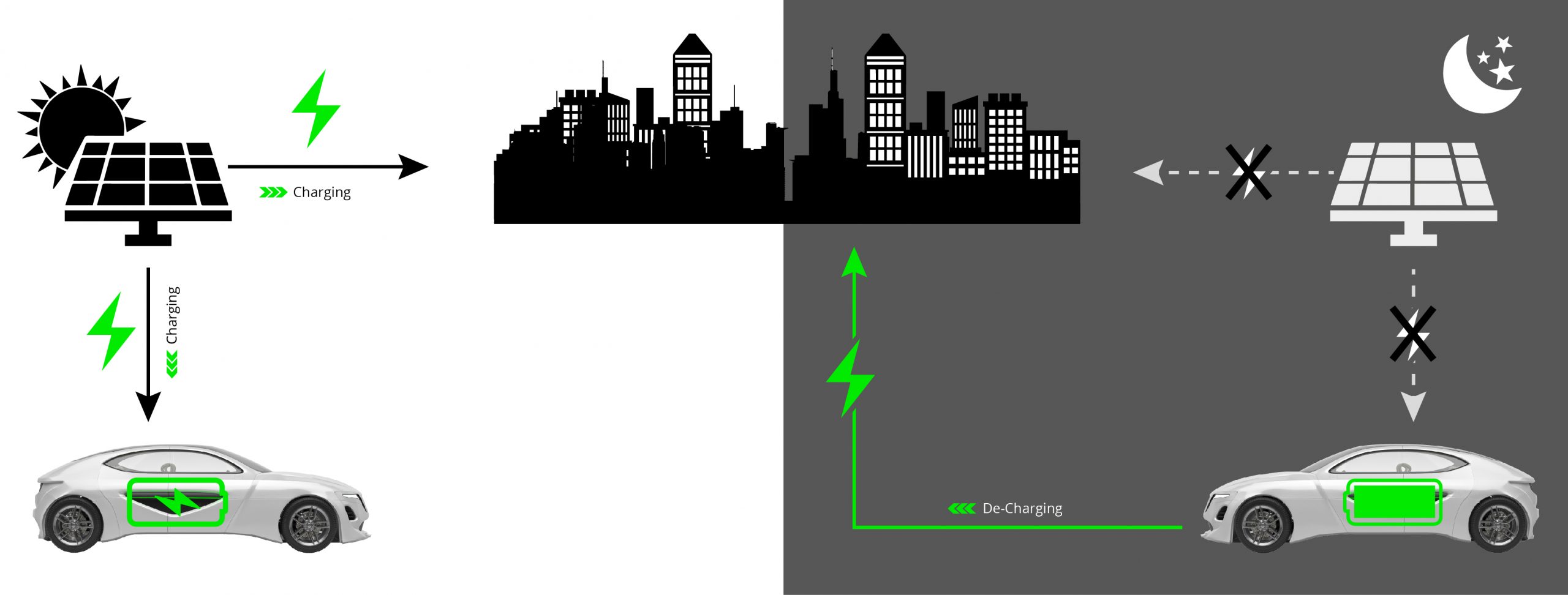
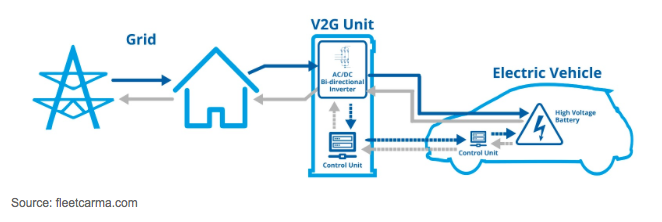
Vehicle-to-Grid (V2G) technology enables electric vehicles (EVs) to act as mobile energy storage units, providing power back to the electrical grid when needed. Crucially, this technology allows bidirectional energy flow, unlike typical EV charging, which is unidirectional.
The Bidirectional Energy Flow:
In a conventional charging scenario, electricity flows from the grid to the vehicle’s battery. Conversely, V2G allows the flow to reverse. When the grid faces high demand, or when the energy produced by renewables fluctuates, EVs equipped with V2G technology can release stored energy back into the grid. This dynamic approach offers critical support to grid operators during peak demand periods, especially when solar and wind energy production is fluctuating.
Enhancing Grid Stability with V2G
The Challenges of Grid Modernization:
The integration of renewable energy sources, like solar and wind, into the electricity grid introduces new challenges. Intermittency—the fluctuating nature of renewable energy output—demands innovative solutions to maintain grid stability.
V2G as a Stabilizing Force:
V2G technology can act as a crucial stabilizing force. During periods of low renewable energy output, EVs equipped with V2G can release stored energy back into the grid, helping maintain the required voltage and frequency. Furthermore, it can help manage the fluctuations caused by changes in energy consumption. Smart grids, when integrated with V2G-enabled EVs, provide a dynamic solution, enhancing the efficiency and reliability of the modern energy infrastructure. For example, numerous organizations and companies around the world are currently testing various V2G technologies, which have significant implications for grid resilience.
Driving Sustainable Energy Solutions with V2G
The Environmental Impact:
The transition to electric vehicles (EVs) represents a significant step towards a greener energy future. By enabling EVs to contribute to grid stability, V2G can further enhance the environmental benefits of electrifying transportation. This technology promotes cleaner energy sources and reduces the reliance on fossil fuels. A study from [Insert reputable source here] has estimated that widespread adoption of V2G technology could significantly reduce carbon emissions.
Renewable Integration and Energy Storage:
V2G technology harmonizes with the increasing integration of renewable energy sources into the grid. It allows grid operators to optimize energy storage and use EVs as mobile energy storage, addressing the inherent intermittency issues of renewables. Consequently, this could potentially transform urban areas into decentralized energy hubs.
Overcoming Challenges and Paving the Way for Widespread Adoption
Technical Hurdles:
One significant obstacle is the development of standardized communication protocols between vehicles and the grid. Currently, there are inconsistencies in how V2G systems communicate with grid infrastructure. This is hindering widespread adoption. Additionally, the costs associated with retrofitting existing charging infrastructure and implementing V2G-capable systems in new vehicles needs to be considered.
Policy and Regulatory Framework:
Governments play a vital role in promoting V2G adoption by creating supportive policies and regulations. These guidelines need to address issues such as ownership of energy stored in EV batteries, and liability concerns related to power flow. Clear and consistent regulations are essential for fostering a robust business environment for V2G technology development and deployment.
Exploring V2G Applications and Real-World Case Studies
Potential Applications:
V2G technology has a broad range of potential applications, including frequency regulation on the grid, grid support during peak demand periods, and even providing backup power for homes and businesses during outages. It is important to look at how these scenarios can positively impact our communities.
Real-world Case Studies:
Various pilot projects and demonstrations are underway to test the viability of V2G technologies. The [Insert Example Project 1] and [Insert Example Project 2] projects have demonstrated the potential of V2G in stabilizing the grid during high-demand periods. These examples highlight the potential economic and environmental benefits of V2G implementations.
The Future of V2G: Policy Implications and Consumer Incentives
Government Policies:
Government incentives and policies can significantly influence the adoption of V2G technology. This could include tax breaks for owners of V2G-compatible vehicles, subsidies for the installation of V2G charging infrastructure, and initiatives to standardize communication protocols. The importance of government intervention in the development of this technology is crucial in a world increasingly dependent on technology.
Consumer Incentives:
Consumer incentives, like financial reimbursements for the electricity supplied back to the grid, can play a crucial role in encouraging wider adoption of V2G technology. This, combined with public awareness campaigns, can encourage more consumers to adopt this technology.
V2G and the Future of Smart Cities
V2G in a Smart City Context:
Smart cities leverage data and technology to enhance efficiency and responsiveness. V2G perfectly complements the smart city initiative by enabling a truly intelligent energy management system. This technology enables EVs to participate in optimizing energy flows, improving grid stability, and even contributing to the reliability of renewable energy sources, potentially transforming urban landscapes into dynamic energy hubs.
Smart Grid Integration:
Smart grids are crucial for enabling bidirectional energy flow. They allow for the management of energy flows in a more effective way, and provide the platform for real-time data collection and analysis. This information allows for optimized utilization of energy resources.
The Economic Viability of V2G Implementation
Cost Considerations:
The initial investment in V2G-compatible vehicles and charging infrastructure needs to be examined. There are potential cost factors to consider, but the long-term economic benefits of a more stable and efficient grid should also be considered. Cost reduction strategies might also be explored in order to encourage wide-spread adoption.
Potential Returns:
The long-term benefits of V2G technology can outweigh the initial costs. A stable and resilient grid leads to lower operating costs for grid operators and potentially lower energy costs for consumers, along with decreased environmental damage.
FAQ
What are the main challenges of implementing V2G technology?
Implementing V2G technology faces several challenges, including the need for standardized communication protocols between vehicles and the grid, the development of robust charging infrastructure compatible with V2G functionalities, and addressing the associated costs for both vehicle owners and grid operators. The infrastructure needed for a large-scale V2G rollout also needs to be put in place. In addition, the lack of widely accepted policies and regulations also adds complexity.
What are the potential benefits of integrating V2G technology into existing grid infrastructure?
Integrating V2G into existing grid infrastructure offers numerous advantages. It can enhance grid stability by providing a responsive and dynamic source of power, reducing the need for expensive peak-demand infrastructure. This technology enables grid operators to more effectively manage fluctuations in renewable energy generation, ensuring grid reliability and stability, particularly during periods of low solar or wind output. Furthermore, V2G technology can facilitate better energy management by allowing vehicles to act as distributed energy resources, potentially reducing reliance on traditional fossil fuels and promoting a more sustainable energy future.
In conclusion, Vehicle-to-Grid (V2G) technology presents a promising solution to the challenges facing the modern grid. By harnessing the potential of electric vehicles, we can create a more resilient, sustainable, and efficient energy system. Further research and development, alongside supportive government policies and public awareness campaigns, are crucial to realizing the full potential of V2G and unlocking its transformative power. Ready to learn more about how V2G technology can benefit your community? Click here to explore the resources we have developed on V2G!