Japanese classic cars are becoming increasingly sought after, captivating collectors and enthusiasts worldwide. This surge in demand is driven by a variety of factors, making these vehicles highly desirable investments. From their renowned craftsmanship to their unique appeal as collectibles, they represent a compelling opportunity. Many enthusiasts face challenges when entering this market, such as deciding which cars are worth the investment. This article will delve into the reasons behind this increasing popularity, exploring different aspects of the market to aid you in your decision-making process. Specifically, we will analyze the driving forces behind the rise in demand, delve into popular models, discuss investment strategies, and highlight resources available to you.
The Allure of Craftsmanship and Heritage
The Unrivaled Quality of Japanese Classics
Japanese car manufacturers have a long-standing reputation for producing durable and meticulously crafted automobiles, and vintage models are no exception. The meticulous attention to detail in their design and assembly results in cars that are reliable and precise, attracting a dedicated following. Their often superior engineering and craftsmanship translate into vehicles that hold their value and appeal to enthusiasts across the globe. These elements often set them apart from many other vintage vehicles, making them a particularly sought-after group of collectible automobiles.
The Historical Context and Legacy
Beyond their technical merits, many classic Japanese cars are significant for their role in automotive history. Models from specific eras and manufacturers often served as pioneering vehicles, contributing to the development of specific automotive techniques. Understanding this historical context, and often associating particular models with particular eras, adds a layer of appeal that extends beyond the simple act of owning a car. These factors can contribute to the increased desire to acquire these cars by collectors.
Investment Potential and Market Trends
The Evolving Landscape of the Classic Car Market
The market for classic cars, including Japanese classics, is continually evolving. Market trends often depend on factors such as rarity, condition, and historical significance. Demand for cars with notable historical events or important developments in manufacturing often outpaces those with less significant history. The Japanese market has seen a similar rise in popularity as the global market as a whole continues to see more investment in cars that hold value and that embody certain features that make them particularly appealing. These dynamics affect the overall value proposition and provide opportunities for savvy investors.
Understanding Popular Models and Values
Exploring Iconic Japanese Models
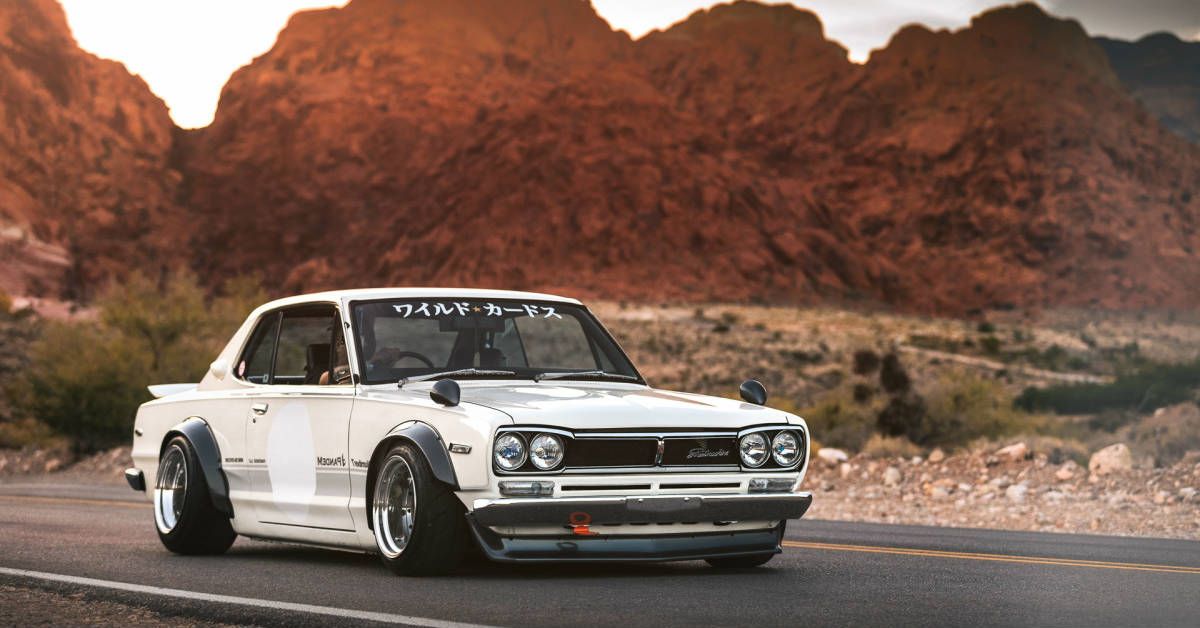
Several Japanese classic models stand out, often attracting significant interest from collectors and enthusiasts. These vehicles often represent an ideal balance between rarity, value, and desirability. The 1960s and 70s saw the rise of several models that have remained popular today, such as the Datsun 240Z and the Mazda RX-7. These models are often highly sought after due to their unique styling, impressive performance specifications, and reliability characteristics.
Researching Market Values and Condition
Carefully researching the market value and condition of specific models is crucial. Online resources, car forums, and auctions can help gauge prevailing prices. It’s important to understand that condition plays a significant role in determining value. Cars in immaculate condition, with full documentation and complete service records, typically command higher prices.
Seeking Expertise and Resources
Consulting with Experts and Enthusiasts
Joining online forums, attending car shows, and consulting with experienced collectors can provide invaluable insights into the market. Talking with those in the know can greatly assist you in finding expert opinions regarding market prices and the condition of various vehicles.
Final Considerations and Next Steps
Planning Your Entry into the Market
Before entering this market, meticulous research and understanding of specific models and the current market conditions are crucial. Enthusiasts should also determine what their primary motivations are for acquiring classic cars. This will help to direct their strategy and ensure the decision to purchase aligns with their preferences and goals.
Factors Affecting Market Value
Authenticity and Documentation
Authenticity and proper documentation are vital for establishing the value of a classic car. Full service history, originality of components, and verifiable provenance significantly impact its worth. Collectors and enthusiasts are drawn to those that have impeccable documentation and have been impeccably cared for. The process of verifying and confirming the originality of components, service records, and the overall integrity of the car will usually assist in establishing its value.
Condition and Maintenance
Preservation and maintenance play a pivotal role in a classic car’s value. A well-maintained vehicle, with all necessary original parts, will often command a higher price than one that has been neglected. A vehicle’s condition directly reflects the care it has received over the years, and therefore has a direct impact on its market value.
Finding the Right Models
Considering Specific Models
Determining your budget and interests is essential in the process of finding the right vehicle. Researching various models will allow for a targeted search. Focusing on what you want and need in a car is key. Considering specific models allows for easier decision-making and often helps to narrow your search results.
Identifying Your Financial Needs
Understanding your budget and financial capacity will allow you to establish a reasonable price range for a vehicle. Identifying your financial needs will assist in finding an automobile that fits your needs, budget, and desires. Knowing the price range of the models and researching the values for certain makes and models of classic Japanese cars will aid you in narrowing your search.
Frequently Asked Questions
What are the key reasons behind the rising demand for Japanese classics?
The increasing demand for Japanese classic cars stems from a confluence of factors. Collectors are drawn to the exceptional quality of Japanese craftsmanship, often coupled with unparalleled reliability and unique styling. Furthermore, the scarcity of these models, coupled with their historical significance in the automotive landscape, contributes to their allure. As with any collectible market, the perceived value often increases over time, adding further incentive for interested buyers. These factors often combine to create a dynamic, exciting market, particularly as a result of the growing interest in these vehicles worldwide.
What are some popular models of Japanese classic cars?
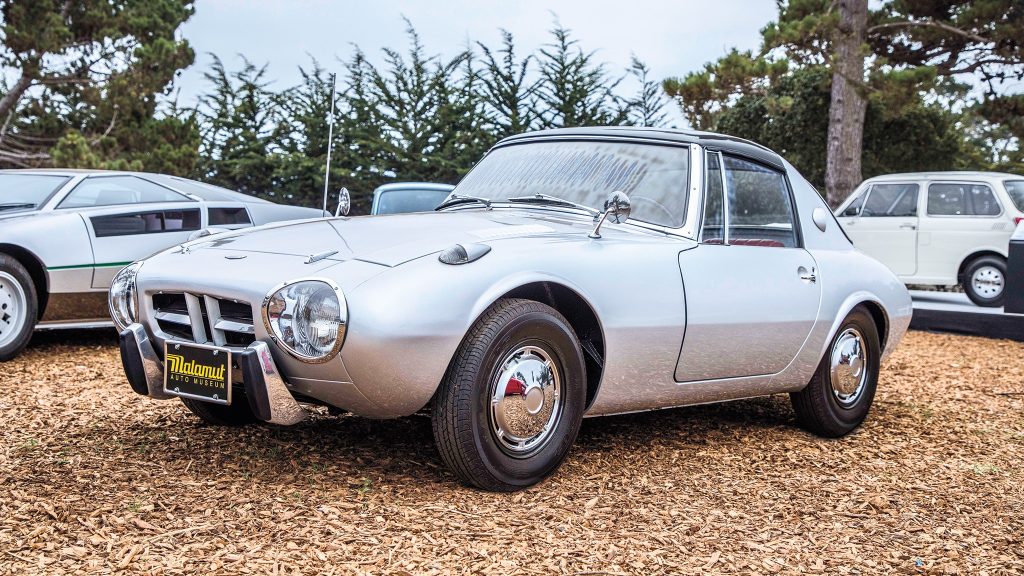
Several Japanese classic models are highly sought-after, including some iconic examples from the 1960s, 70s, and 80s. Notable makes and models often include those from Datsun, Mazda, Toyota, and Honda, but of course, many other Japanese brands saw success in those decades. These cars are often prized for their specific features and performance characteristics. Discovering the appeal of a particular model is often a key part of the collectible car journey, be it from a specific era or aesthetic. There are countless websites and communities dedicated to classic Japanese cars that offer extensive information and resources for enthusiasts.
In conclusion, Japanese classic cars are experiencing a surge in popularity, driven by factors such as exceptional craftsmanship, reliability, and their allure as unique collectibles. This trend presents exciting opportunities for enthusiasts and investors alike. If you’re interested in exploring this market further, consider researching specific models, attending car shows, and possibly consulting with experienced collectors or dealers. This knowledge will empower you to make informed decisions and potentially capitalize on this growing segment of the automotive market.