
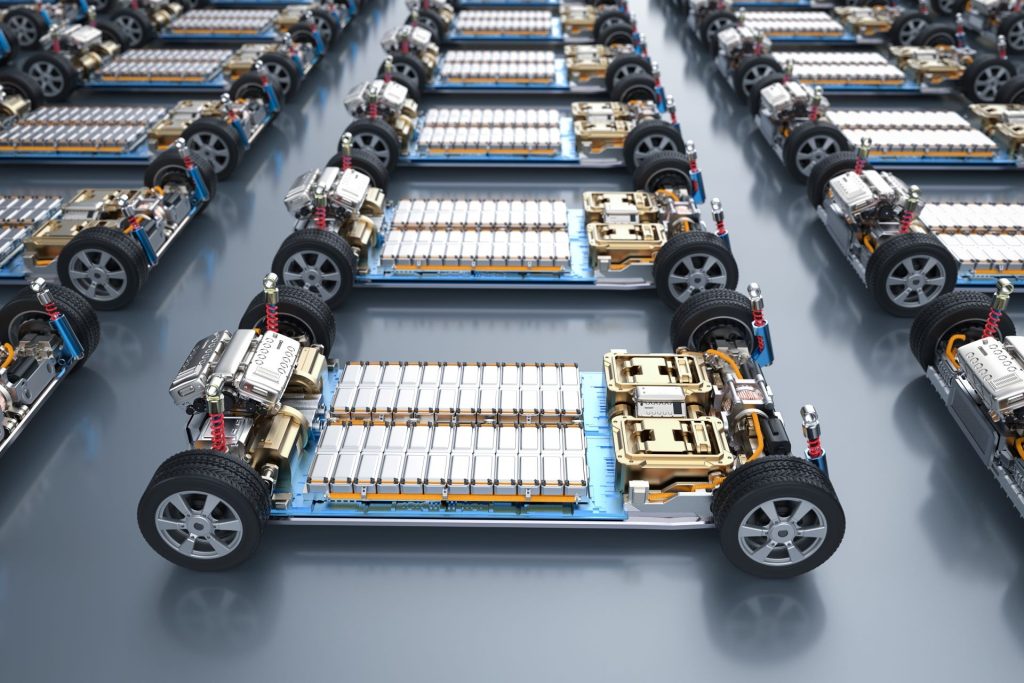
Solid-state batteries are poised to revolutionize the electric vehicle industry, offering a glimpse into a future of faster charging, increased range, and enhanced safety compared to traditional liquid-based batteries. This article delves into the critical differences and challenges surrounding these two technologies, highlighting the potential of solid-state batteries to propel the adoption of electric vehicles. Understanding this shift in technology is crucial for anyone interested in investing in the future of transportation or simply keen to explore the latest advancements in the field. This detailed comparison examines the pros and cons of each approach, exploring potential solutions and challenges related to production, and safety. We’ll then evaluate the current status of solid-state battery development. By the end of this discussion, you’ll have a comprehensive understanding of the technology and its potential impact.
Introduction to Solid-State Batteries
Understanding the Fundamentals
Solid-state batteries, a revolutionary advancement in battery technology, are poised to change the landscape of electric vehicles. These batteries utilize a solid electrolyte, a significant departure from the liquid electrolytes found in conventional lithium-ion batteries. This fundamental shift promises significant improvements in performance, safety, and longevity. The substitution of a solid electrolyte for a liquid one unlocks new capabilities; increased energy density, faster charging times, and superior safety profiles are all potential benefits. But the path to widespread adoption isn’t straightforward. The challenges of scale-up, cost-effectiveness, and material availability are obstacles that must be addressed for solid-state batteries to reach their full potential. This section will explore these fundamental differences in the contexts of energy density, safety, and charging.
Comparing Energy Density and Performance
Energy Density and Range
One key area where solid-state batteries excel is energy density. The solid electrolyte allows for a more compact and efficient storage of energy within a given space. This translates to increased range for electric vehicles, a crucial factor for consumers. The higher energy density can lead to significant advancements in electric vehicle performance by increasing the range per charge, potentially reducing charging frequency and improving overall vehicle usability.
Charging Time and Cycle Life
Beyond range, faster charging times are another crucial advantage of solid-state batteries. The solid-state electrolyte enables quicker ion transport, thus, potentially reducing charging time significantly. This will have a major impact on the overall user experience, potentially making electric vehicles more appealing to a wider audience, by addressing user convenience concerns. This faster charging time combined with an improved cycle life will be a game-changer for electric vehicles.
Safety Considerations
Fire Safety and Thermal Runaway
The inherent safety advantages of solid-state batteries are a crucial driver for their development. The solid electrolyte in these batteries effectively mitigates the risk of thermal runaway, a phenomenon often associated with liquid-based batteries. Thermal runaway refers to an uncontrolled chain reaction that can lead to fires or explosions, resulting in safety concerns and reduced consumer trust. The solid-state electrolyte in these batteries greatly minimizes this risk. This significant improvement makes solid-state batteries attractive from a safety standpoint.
Material Stability and Electrolyte Properties
The selection of materials for both the electrolyte and electrode components is crucial. The stability of materials in various operating conditions has a direct influence on the safety, longevity, and overall performance of the battery. Robust material science plays a vital role in ensuring the longevity and reliable performance of solid-state batteries. This detailed analysis shows why it is crucial to the advancement of the technology.
Manufacturing Challenges and Cost
Scaling Production and Material Availability
Producing solid-state batteries in high volumes is a significant challenge. The complexity of the manufacturing processes makes it more difficult to scale production to meet market demand. The current market availability of necessary materials presents another challenge, especially for production at scale. The high cost associated with the specialized materials used for the solid electrolyte needs careful consideration.
Technological Advancements and Cost Reduction
Research and development are crucial in addressing the scaling and cost issues associated with solid-state batteries. Technological advances in manufacturing processes and material science are crucial to bring down the cost of the materials. Ongoing research strives to develop more affordable materials and streamline the production process to make solid-state batteries more economical.
Conclusion
The Future of Electric Vehicles
Solid-State Battery Adoption
Long-Term Perspective
Case Studies and Examples
FAQ
What are the key differences between solid-state and liquid-based EV batteries?
Solid-state batteries differ significantly from their liquid counterparts in several key areas. Solid-state batteries leverage a solid electrolyte, which enhances safety and allows for higher energy density. This superior energy density translates to increased range and faster charging capabilities for electric vehicles. Critically, the solid electrolyte in solid-state batteries dramatically reduces the risk of thermal runaway, a significant safety concern with liquid-based batteries. The resulting improved safety profile and performance make solid-state batteries a compelling alternative.
What are the main challenges in the development of solid-state batteries?
While solid-state batteries promise significant advancements in EV technology, several hurdles remain. Manufacturing processes still need refinement to make these batteries economically viable. The material costs for the solid electrolyte components can be high, and scaling production to meet market demand is a complex challenge. Additionally, the relatively immature nature of the technology leads to limited availability of standardized testing protocols and data, making comparative analysis challenging. These challenges, though significant, are expected to be addressed through ongoing research and development efforts.
In conclusion, the future of electric vehicle batteries is undeniably tied to solid-state technology, but the transition is not without its hurdles. While liquid-based batteries have served their purpose in the current market, the superior energy density, safety, and longevity of solid-state alternatives make them the clear long-term solution. Ongoing research and development efforts are crucial for scaling production and addressing challenges associated with manufacturing cost and material availability. Ultimately, embracing solid-state technology is crucial for furthering the widespread adoption of electric vehicles and driving sustainable transportation. If you are considering investing in the EV sector or are an EV enthusiast, carefully monitoring and supporting advancements in solid-state battery technology is essential. This will ensure you’re prepared for the next generation of sustainable vehicles. Learn more about battery technologies at [link to relevant resource].