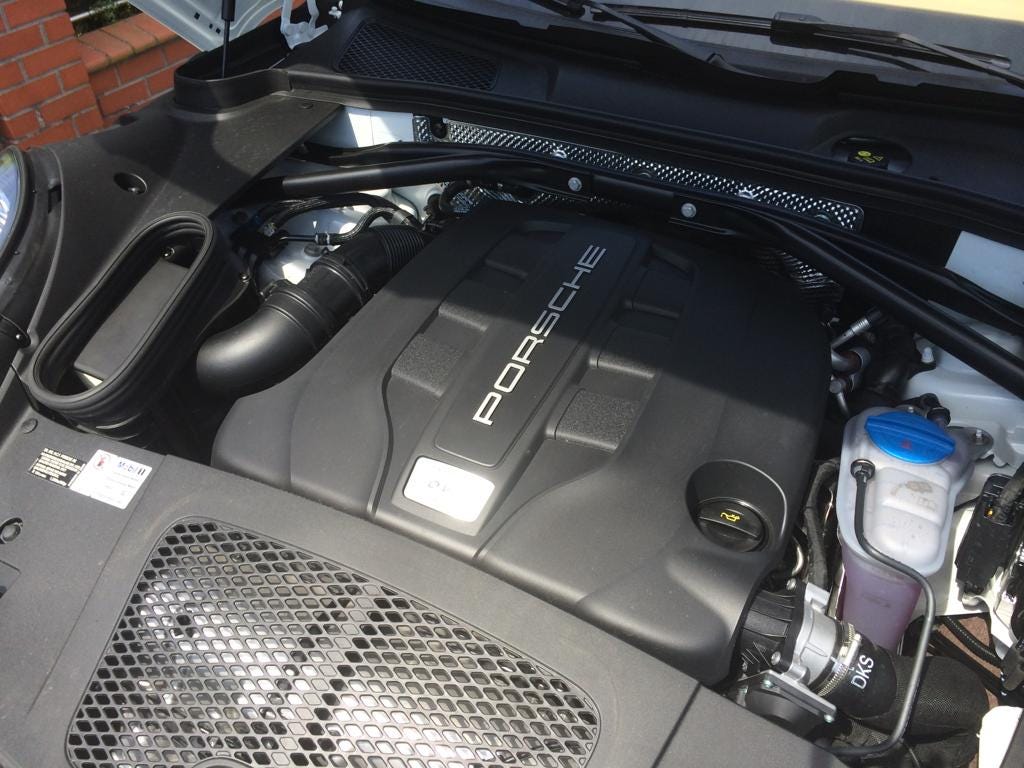

ECU tuning is a popular method for enhancing a vehicle’s performance. It allows drivers to gain more horsepower and torque without major mechanical modifications. However, the process requires careful consideration and responsible execution. This guide will thoroughly explain the intricacies of ECU tuning, highlighting the safety precautions and the factors to consider. It will also detail how to find a trustworthy tuner and how to avoid common pitfalls. We will also explore the potential risks and benefits, ultimately empowering you to make informed decisions about tuning your car. This article will cover the following key areas: understanding ECU tuning, safely increasing performance, finding a qualified tuner, and avoiding risks. Let’s dive in!
Understanding ECU Tuning
What is an ECU?
An ECU, or Electronic Control Unit, is the brain of your car’s engine. It controls various engine functions, including fuel injection, ignition timing, and exhaust output. ECU tuning is essentially modifying the software that governs these processes, aiming to optimize engine performance. It’s a crucial component in the tuning process.
How ECU Tuning Works
ECU tuning works by modifying the ECU’s embedded computer program. Tuners typically use specialized software to identify areas for optimization, adjusting parameters such as fuel delivery, spark timing, and engine management strategies. This fine-tuning results in a more responsive and efficient engine, ultimately increasing the vehicle’s performance.
The Importance of Safe Tuning
While ECU tuning can enhance performance, it’s essential to approach the process with caution. Careless modifications can lead to catastrophic engine damage or severe safety concerns. Improper tuning can strain engine components such as the fuel pump, exhaust system, and catalytic converter, potentially leading to costly repairs or even complete failure. Safety is paramount.
Safely Increasing Performance
Optimizing Engine Performance
Engine optimization through ECU tuning aims to enhance performance parameters like horsepower, torque, and acceleration. Experienced tuners meticulously analyze the car’s specifications and identify specific areas for improvement. They consider factors such as engine displacement, compression ratio, and other components. Often, this involves detailed diagnostics using specialized tools to understand the current engine performance limitations.
Tuning for Specific Needs
Tuners understand that different drivers and vehicles have varying needs. Consequently, they tailor their tuning approaches accordingly. They analyze the driver’s desired performance levels and the vehicle’s current limitations. This personalized approach ensures that the tuning process aligns with the driver’s expectations, avoiding unnecessary risks.
Finding a Qualified Tuner
Research and Reviews
Finding a trustworthy tuner requires thorough research. Start by examining online reviews and testimonials from previous clients. Pay close attention to the reviews and consider factors such as the reliability of the service, the quality of work, and any complaints or issues. Thorough research and due diligence are critical in choosing a competent tuner.
Certifications and Experience
Inquire about the tuner’s certifications and experience in tuning ECU. Ensure they possess relevant certifications or industry recognitions to demonstrate their competence and knowledge of the tuning procedures.
Understanding Costs and Packages
Get multiple quotes for the service from different tuners. Compare costs and packages to determine the best fit for your budget and desired modifications. Detailed specifications and detailed explanations of their packages are necessary to avoid unexpected costs.
Avoiding Common Pitfalls
Inappropriate Tuning
Avoid tuners that promise unrealistic performance gains or use overly aggressive tuning techniques without careful considerations for the engine’s limitations. Such practices can potentially lead to engine damage and other related problems. Always prioritize safety and seek a thorough evaluation of your specific car before making any changes.
Overlooking Warranty Implications
Before undertaking any tuning, be sure to check your car warranty and how it may affect any tuning procedures. Modifying the vehicle’s default settings might void specific warranty protections. This information should be clearly communicated by the tuning company.
Misunderstanding Tuning Capabilities
Comprehend that ECU tuning may not resolve inherent vehicle or engine limitations. Realize that tuning is a way to improve and optimize the existing engine performance but not to completely overcome design parameters.
The Risks of ECU Tuning
Potential for Engine Damage
Careless or improper tuning can cause extensive damage to your vehicle’s engine. Over-tuning can strain critical components, leading to premature failure. Seek professional guidance to ensure any modifications adhere to your vehicle’s specifications.
Reduced Fuel Efficiency
While aiming for performance enhancements, some tuning techniques might compromise fuel efficiency. Some adjustments to the ECU might result in less efficient fuel consumption compared to the stock configurations. Tuners typically factor this in to the process but be sure to consult with your tuner about the expected fuel economy.
Increased Emissions
ECU modifications could potentially increase exhaust emissions, potentially violating emission standards. Consult with your tuner or local authorities to understand the impact and ensure compliance.
Frequently Asked Questions
What are the Potential Risks of ECU Tuning?
ECU tuning, while offering potential performance gains, presents some risks. Improper tuning can lead to reduced fuel efficiency, increased emissions, and even damage to engine components. Over-tuning can strain the engine and transmission, potentially leading to failure. Poorly installed or executed tuning procedures can cause instability in the vehicle’s operating systems. Consulting a qualified tuner and adhering to safe tuning practices are vital to mitigating these risks.
How Much Does ECU Tuning Typically Cost?
The cost of ECU tuning varies significantly depending on several factors, including the vehicle make and model, the complexity of the tuning process, and the expertise of the tuning company. Generally, tuning packages range from a few hundred dollars to several thousand dollars. Factors such as the required components, the time spent for diagnostics, and software updates also play a significant role in the final cost. It’s recommended to get multiple quotes and compare services before making a decision.
What are the Key Considerations When Choosing an ECU Tuning Company?
When selecting an ECU tuning company, factors like their experience, certifications, and customer reviews are crucial. Seek out companies with a proven track record of successful tuning jobs. Look for companies that prioritize safety and adherence to industry best practices. Verify their certifications and ensure that they use high-quality software and equipment. Checking customer testimonials and reviews can provide valuable insights into a company’s service quality. Also, inquire about their warranties and guarantees.
In conclusion, ECU tuning offers a powerful way to enhance your vehicle’s performance, but safety is paramount. Properly understanding the process, selecting a reputable tuner, and maintaining your vehicle are crucial. Before embarking on any ECU tuning project, thorough research and consultation with experts is advised. For further assistance, visit our website or contact a qualified tuning specialist near you.