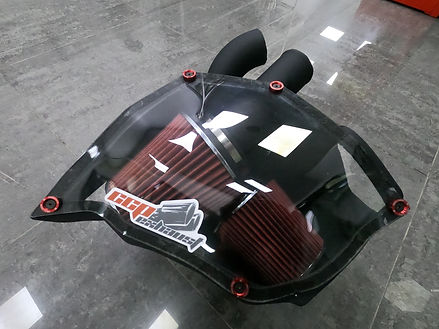
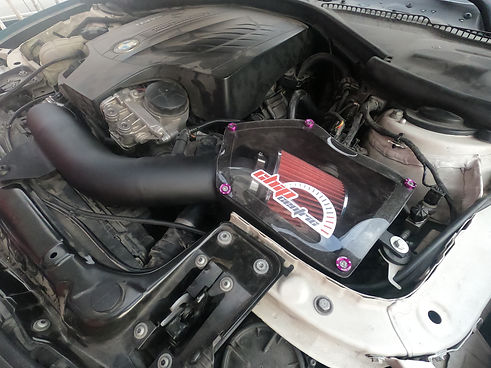
A cold air intake is a popular performance upgrade for car enthusiasts aiming to increase power and responsiveness. By channeling cooler, denser air into the engine, these systems can significantly improve the performance of your vehicle. This article dives deep into the science behind the boost, exploring the various types and benefits of cold air intakes, common misconceptions, and how to choose the right one for your car, ensuring that you get the most out of your modifications.
This comprehensive guide will walk you through the process of understanding how a cold air intake works, explore the benefits of this relatively affordable enhancement, and provide actionable steps to ensure you select the appropriate intake for your vehicle’s needs. We’ll cover the different types of intakes available, their installation processes, and considerations for proper maintenance.
Understanding the Science Behind Cold Air Intake Performance
The Fundamental Principle of Air Intake Modification
A cold air intake essentially replaces the stock air intake system with a more efficient one. A vital component of any engine’s operation is the intake of air. Air, mixed with fuel, powers the combustion process that produces the energy needed to drive the car. The key lies in the density of the air. Cooler air is denser, meaning it contains more oxygen per unit of volume. This denser air allows for a more complete combustion process, leading to increased power output.
Exploring the Different Types of Cold Air Intakes
Various types of cold air intakes exist, each with its own design features and benefits. Some are straightforward replacements for the stock intake box, while others involve a more comprehensive modification, incorporating a complete intake system. This often comes down to personal preference and budget.
The Benefits of Installing a Cold Air Intake
Enhanced Power and Responsiveness
One of the primary benefits of installing a cold air intake is the noticeable increase in horsepower and torque, especially during acceleration. By allowing denser, cooler air into the engine, the combustion process becomes more efficient, resulting in increased power. This is often accompanied by improved throttle response, making the car feel more responsive to your inputs.
The Impact on Fuel Efficiency
While many perceive installing a cold air intake to lead to decreased fuel efficiency, the opposite is usually true. The increased airflow and improved combustion can potentially lead to marginal increases in fuel economy due to the more complete burn. Although this gain may not be substantial, it’s often a worthwhile trade-off for the added performance.
Choosing the Right Cold Air Intake for Your Car
Factors to Consider When Selecting an Intake
Several factors play a role in selecting the appropriate cold air intake for your vehicle. Consider the make and model of your car, the specific modifications you want to make, your budget, and the desired level of performance improvement. In-depth research into compatible options for your specific car is crucial to a successful installation.
A Closer Look at Performance Enhancement
The most significant benefits from a cold air intake are often noticeable in specific driving conditions, such as acceleration and high-speed driving. For daily commuters or highway driving, the benefits might be less noticeable. However, for enthusiasts seeking that extra edge in performance, a cold air intake proves valuable.
Installation and Maintenance Tips
Ensuring a Smooth Installation Process
Proper installation is crucial for optimal performance and preventing potential problems. It’s recommended to consult your owner’s manual or a trusted mechanic to ensure a smooth and problem-free process. Following manufacturer guidelines is vital for obtaining the desired effect and avoiding any issues with your vehicle’s warranty.
Maintaining Your Cold Air Intake for Longevity
Regular maintenance is crucial for maintaining the effectiveness of your cold air intake. Ensure the intake filter is regularly cleaned or replaced to maintain optimal airflow. Checking for leaks or any signs of damage should also be an integral part of your maintenance routine.
Common Myths About Cold Air Intakes
Addressing the Misconceptions
Several myths surround cold air intakes, from their effect on fuel economy to their required maintenance. These misconceptions often stem from a lack of understanding of the science behind these modifications. This often causes a great deal of confusion when people try to ascertain whether the modifications are worth the effort and the potential costs.
Comparing Cold Air Intakes from Different Brands
Exploring Options from Reputable Manufacturers
Several brands offer cold air intakes designed for a variety of vehicles. Researching customer reviews and comparing different models based on price, quality, and compatibility for your specific vehicle is recommended to find the best fit for your needs.
Conclusion
FAQ
FAQs
FAQ:
What are the potential downsides of installing a cold air intake?
While generally safe, a cold air intake can sometimes lead to increased noise levels, potentially impacting the car’s aesthetic appeal. Additionally, some owners report slightly increased fuel consumption, though this is often minimal. Proper installation and maintenance are crucial to preventing any negative effects.
How much power gain can I expect from a cold air intake?
The power gain from a cold air intake isn’t a guaranteed figure and can vary depending on various factors, including the specific make and model of your car, the quality of the intake system, and the overall vehicle tuning. You should expect noticeable, but moderate gains in power, with a measurable increase in responsiveness, especially during acceleration.
In conclusion, a cold air intake can significantly enhance your car’s power and responsiveness by allowing cooler, denser air into the engine. While the results may vary depending on the vehicle, the improved performance is a worthwhile upgrade for many car owners. To explore the best cold air intakes for your specific vehicle, consider researching options from reputable brands and checking online reviews. This will help you make an informed decision about maximizing your car’s performance.