
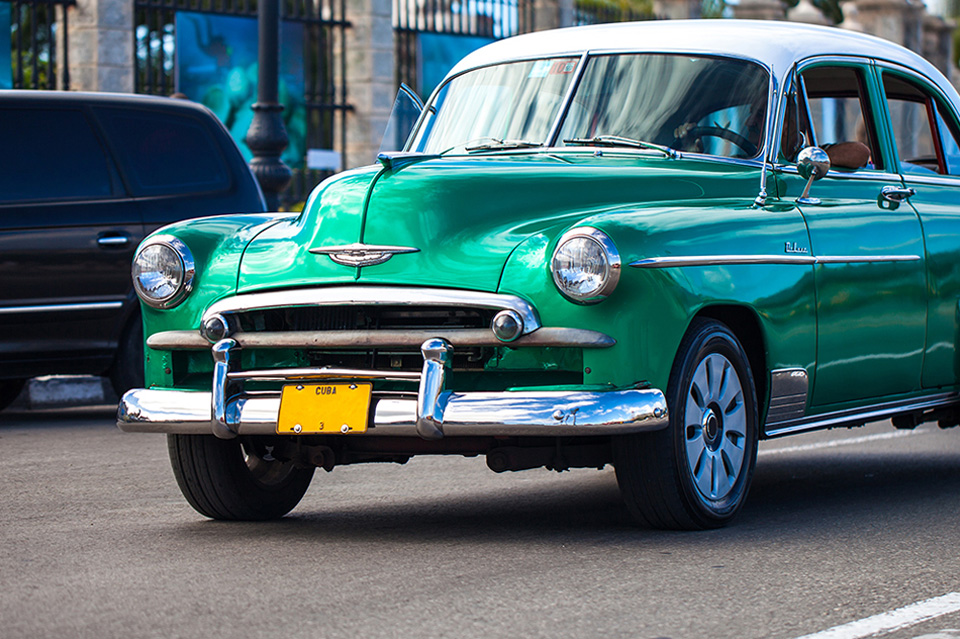
Protecting your classic car investment is paramount, and securing the right classic car insurance is crucial. A meticulously preserved classic car represents more than just transportation; it’s a valuable piece of automotive history and a significant financial investment. Many classic car owners face challenges finding appropriate insurance coverage. This article will navigate the essential aspects of classic car insurance, outlining key considerations for preserving your investment and highlighting critical coverage options. We’ll delve into pricing, coverage types, and the selection of reputable insurers. Follow along as we dissect the world of classic car insurance to ensure you’re adequately prepared.
Understanding the Importance of Classic Car Insurance
The Unique Nature of Classic Car Insurance
Classic cars often possess a unique combination of features that sets them apart from everyday vehicles. Their age, rarity, or restoration modifications may necessitate customized insurance solutions. These vehicles are often not as readily replaced due to their historical significance. The demand for insurance tailored to such unique vehicles often necessitates a specialized approach. This usually requires research and comparison among various insurers to find the appropriate policy that adequately covers potential risks. Understanding the value of your collectible vehicle, therefore, becomes an integral part of determining the appropriate coverage to protect it. Classic car insurance often involves higher premiums than standard coverage due to the increased risk associated with their value and age. Specialized insurance companies often cater to the needs of classic car owners, providing tailored plans and customized coverage options. The investment in a classic car necessitates a thorough analysis to ensure the protection of this valuable asset.
Identifying Potential Risks and Vulnerabilities
Classic car owners face several unique challenges. Beyond standard risks, they must address potential damage during transport, theft, or even accidental damage. Classic cars are often more complex mechanically, requiring specific expertise and repairs to keep their originality and value. Specialized repair services and parts for these vehicles can become costly, requiring extensive coverage for any unforeseen incident. Storage, weather conditions, and potential damages during exhibitions or shows are also potential risks that need to be adequately covered by appropriate insurance plans.
Coverage Options for Your Classic Car
Comprehensive Coverage Types
Comprehensive classic car insurance policies provide comprehensive protection against a multitude of risks, covering incidents beyond basic collision or liability. Consider the unique features of your classic vehicle – its history, rarity, and modifications. The importance of carefully reviewing various coverage options cannot be overstated. This review should include factors like repairs and maintenance, loss or damage due to fire or theft. It’s essential to consider the potential cost of parts and labor for restoration, which could exceed the expected costs for an everyday car.
Factors Influencing Classic Car Insurance Premiums
Assessing Vehicle Value and Condition
The value of your classic car is a key factor in determining your insurance premium. Cars of higher value generally attract higher premiums. A thorough evaluation of the vehicle’s condition, age, and features is needed to find the right balance between coverage and cost. Consider factors like rarity, originality, and provenance – all can impact the insured value. Additionally, a detailed inspection report highlighting the vehicle’s overall condition is often required to determine suitable coverage.
Evaluating Usage Patterns and Locations
Classic car usage patterns can also affect premiums. More frequent use, especially in high-risk areas, may necessitate higher premiums. Determining the frequency of use and locations where the car is stored or displayed is a crucial factor in assessing potential risks and vulnerabilities. Some policies might even have restrictions on the location of driving or showing the car, which further contributes to the cost calculation.
Choosing a Reputable Insurance Provider
Importance of Provider Reputation
Selecting a reputable insurance provider is paramount for classic car owners. Look for insurers known for handling classic cars, providing personalized policies, and having a strong reputation for customer service and timely claims processing. Ensure the provider possesses a robust financial standing and the capacity to handle potential major claims. Consider reviews and ratings when making your selection.
Comparing Different Policies
Thorough research and comparison shopping are crucial. Compare policies to evaluate coverage options, premium costs, and any additional perks offered by different providers. Look for tailored options that align with your specific vehicle’s value and usage patterns. Read the fine print and clarify any uncertainties directly with the insurer. A comprehensive understanding of your policy can ensure you’re adequately covered.
Additional Tips and Considerations
Documenting Your Classic Car’s Value
Maintaining detailed documentation of your classic car’s value is crucial. This includes appraisals, repair records, and any supporting documentation of the vehicle’s history. This can be vital in the event of a claim. Historical records can prove invaluable in supporting your claim.
Maintaining Your Vehicle’s Condition
Proper maintenance and storage are also important. Regular maintenance helps maintain the vehicle’s value and, in many cases, can reduce insurance premiums. Proactive maintenance can help reduce risk, often leading to a positive impact on insurance costs.
Exploring Specialized Coverage Options
Understanding Optional Add-ons
Some policies offer specialized coverage options, such as transportation coverage for shows or events, exhibition insurance, or additional coverage for specific potential risks. Examine these options carefully to ensure your coverage aligns with your car’s usage. This detailed review is crucial for finding coverage that addresses potential risks and vulnerabilities. This is where specialized add-ons, especially in cases of frequent use in high-risk environments, or where the vehicle is displayed at shows, could significantly enhance the policy.
Understanding the Claims Process
Navigating the Process for a Smooth Claim
A well-defined claims process is essential for any insurance policy. Familiarize yourself with the procedures for reporting accidents or damages. Ensure you have the necessary documentation to support your claim and the vehicle’s value. A clear understanding of the process can ease the claim process and minimize potential complications. It’s crucial to keep all relevant paperwork, such as appraisals and repair records, readily available. This facilitates a smoother and more straightforward claims procedure.
Frequently Asked Questions
What are the typical costs of insuring a classic car?
Classic car insurance premiums vary considerably, depending on several factors including the vehicle’s make, model, year, value, use, and location. There’s no single answer to this question. Factors like the car’s age, rarity, and condition all play a crucial role. You should consult with insurers directly for a personalized quote, considering these variables. Insurance providers use various risk assessment tools to establish a suitable premium for each vehicle, ensuring a secure and appropriate coverage plan.
How does the value of a classic car affect its insurance premium?
The value of a classic car is a significant factor determining insurance premiums. Higher-value vehicles typically attract higher premiums, reflecting the increased financial risk to the insurer. Appraisals and documentation supporting the vehicle’s value are often crucial in securing appropriate coverage. Insurance companies factor in potential loss or damage to their calculations, and higher values consequently lead to more substantial premiums. Insurers consider several details, including the car’s market value, historical data on similar vehicles, and even specialized evaluations by automotive experts.
What are the essential factors to consider when selecting an insurance provider for my classic car?
When choosing an insurer, examine their reputation and financial stability. Read reviews from other policyholders and check for customer service ratings. Ensure that the chosen provider provides comprehensive coverage that aligns with your specific vehicle’s requirements. Understand the various types of coverage offered and select those that match your needs. The claims process also matters greatly. Some providers might have a more efficient and responsive claims system than others. Comparing premiums, coverage types, and additional perks offered, like roadside assistance, will help you select a provider that fits your classic car insurance needs.
In conclusion, protecting your classic car investment requires careful consideration of various insurance options. Understanding the nuances of classic car insurance, including coverage options, policy specifics, and reputable providers, is crucial for ensuring the long-term preservation of your prized possession. Explore different policies to find the best fit for your needs and budget, and don’t hesitate to contact insurance experts for tailored advice. Visit [website address] to explore tailored classic car insurance solutions today.