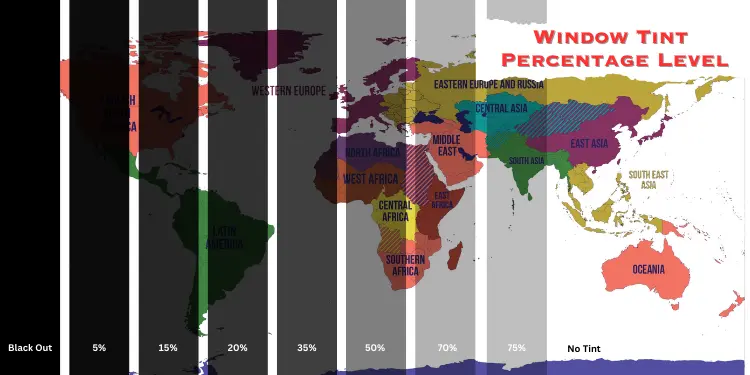

Understanding Privacy and Protection: Car Window Tinting Laws Internationally is essential for anyone traveling or living in different countries. Different nations have unique laws regarding car window tinting, impacting safety, privacy, and aesthetic standards. This in-depth analysis unravels the complexities of these regulations, offering clear insights for avoiding legal trouble and ensuring your vehicle complies with local guidelines. This article will explore the intricate world of international car window tinting regulations, identifying key issues and offering solutions. We will cover diverse legal frameworks, specific examples, and practical advice for seamless global travel.
Introduction to International Car Window Tinting Laws
The Global Landscape of Vehicle Regulations
International travel and commerce necessitate clear comprehension of diverse vehicle regulations, which often extend to the seemingly simple aspect of car window tinting. Different nations employ varying standards for tinting, impacting both safety and aesthetic considerations. These regulations frequently adjust for factors like vehicle type, climate, and specific societal standards. Understanding these variations is crucial for avoiding legal complications and assuring smooth international travel. For example, some countries have stricter laws for tinted windows in commercial vehicles, compared to passenger cars, due to safety concerns regarding visibility and security.
Legal Frameworks and Considerations
International Drivers and Their Responsibilities
Drivers venturing into foreign territories must be aware of local regulations pertaining to car window tinting. Ignorance of these laws is no excuse. Failing to adhere to these rules might lead to penalties like fines or even the confiscation of the vehicle. For international drivers, keeping abreast of the rules in different countries and ensuring vehicle compliance before embarking on cross-border journeys is a wise practice. Drivers should conduct thorough research on laws in their intended travel zones. In many countries, specific shades of tint and percentages of light transmittance are legally permissible. One must also consider that rules can sometimes change.
Navigating the complexities of Specific Regulations
Regional Variations in Tinting Laws
Diverse regions around the globe maintain distinct car window tinting standards. The regulations often reflect regional climate conditions, safety needs, and cultural norms. In some areas, tinted windows might be permitted within stringent limits, while other locations might altogether restrict the practice for certain vehicle categories or specific locations. The legal frameworks related to car window tinting demonstrate remarkable diversity, underscoring the necessity for diligent research before international travel or moving to a new country.
Practical Advice and Solutions
Ensuring Vehicle Compliance in Different Jurisdictions
Before embarking on any international travel, diligently research the applicable car window tinting laws in the specific regions you plan to visit. Official government websites, automotive associations, and legal professionals can be invaluable resources. The research process might entail consulting multiple sources and noting any recent legislative changes to guarantee your vehicle is compliant. By diligently gathering this information, you can mitigate the risk of encountering issues. Furthermore, carrying documents of compliance or a legal consultation will prove useful.
Real-world Examples and Case Studies
Case Studies in Legal Conflicts
Numerous reported cases highlight the potential consequences of ignoring international car window tinting regulations. These incidents frequently demonstrate the significance of proper preparation. Careful research prior to any border crossing is crucial. Often, vehicles are subject to scrutiny by authorities upon entering new countries.
Conclusion for Car Window Tinting laws in the US
Vehicle Safety Standards in the United States
Understanding the regulations surrounding car window tinting in the U.S is crucial. States in the US enforce various rules regarding the percentage of light transmitted through windows. Drivers need to be aware of these requirements.
Addressing the need for updated information
The importance of staying informed on the latest updates in law
Staying up-to-date with the latest legal changes and updates regarding car window tinting is paramount, particularly in the international arena. Regulations frequently change and evolve. Official government websites, automotive publications, or legal counsel can supply pertinent information on the most current changes
Summary of car window tinting and the importance of compliance
Impact of car window tinting laws
Car window tinting laws have a significant impact on the safety of drivers and passengers, as well as on the aesthetics of vehicles. By understanding and complying with these regulations, drivers can ensure legal travel. Moreover, they contribute to overall traffic safety and a positive driving experience.
The future of car window tinting and its impact on safety
Future trends in car window tinting
Future trends in car window tinting will include more advanced materials and technologies. By keeping abreast of these, one can avoid conflict with regulations. For example, advanced coatings are expected to gain popularity due to their unique properties and potential use in vehicles and more.
FAQ:
What are the common penalties for violating car window tinting laws?
Penalties for violating car window tinting laws vary significantly internationally. They can include fines, vehicle impoundment, or even legal repercussions. In some jurisdictions, the penalties might be more severe for repeat offenses. The severity depends on several factors including the specific laws of the country, the extent of the violation, and other local regulations.
In conclusion, understanding international car window tinting laws is crucial for both residents and tourists alike. Navigating these regulations, often complex and varied across jurisdictions, requires thorough research and, where possible, consulting local authorities. By adhering to these guidelines, individuals can avoid potential fines and ensure their vehicles comply with local safety and aesthetic standards. To fully grasp these complexities, consider consulting legal professionals specialized in international vehicle regulations for personalized advice. This will ensure compliance and peace of mind while driving abroad.