Replacing brake rotors is a critical aspect of vehicle maintenance, impacting safety and performance. A malfunctioning brake system is a serious issue and can lead to accidents. Brake rotors are the components of your vehicle’s braking system that are directly responsible for slowing your vehicle by friction. Drivers often overlook the importance of brake rotor replacement, often leading to preventable accidents and costly repairs. This article will guide you through the importance of replacing brake rotors, highlighting when and why it’s necessary for optimal vehicle safety and performance. We’ll explore the causes of brake rotor wear, the symptoms of potential problems, and the steps involved in a safe and effective replacement process. We will also provide a detailed look at various factors influencing the replacement frequency and discuss common mistakes to avoid.
Understanding Brake Rotor Function
Essential Role in Vehicle Braking
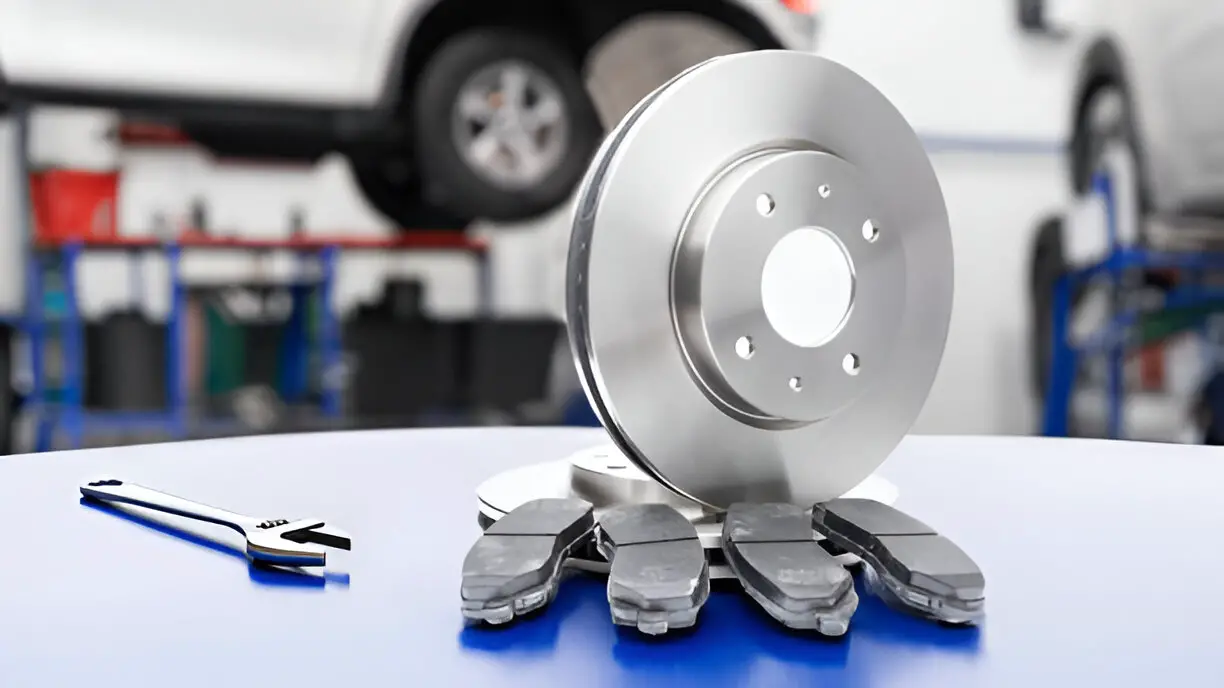
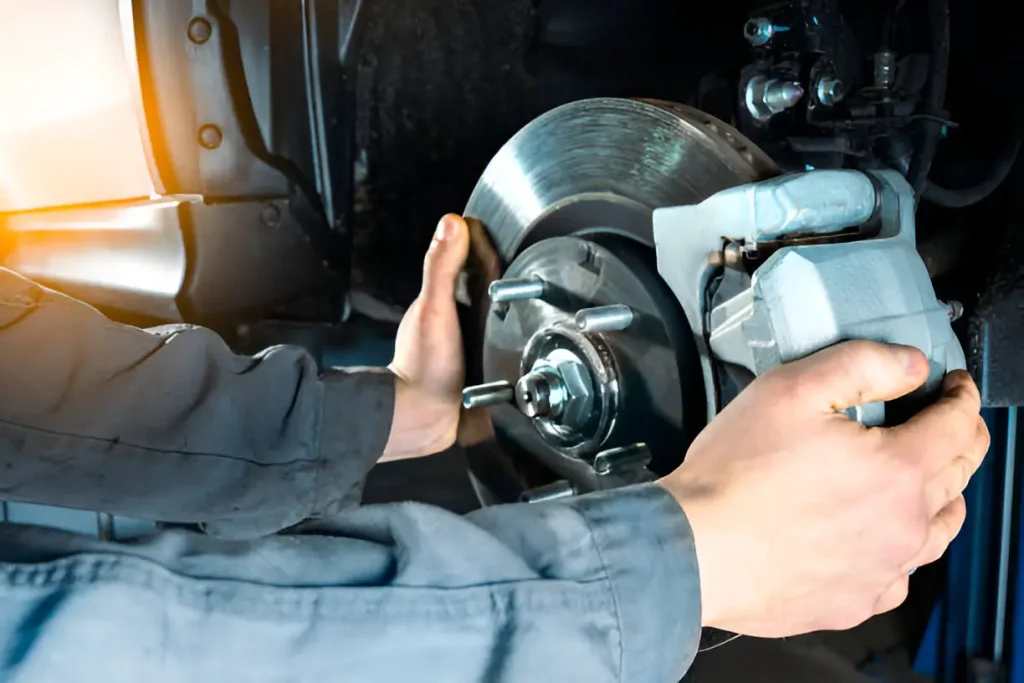
Brake rotors are critical components in a vehicle’s braking system. These metal discs are responsible for slowing and stopping the vehicle by creating friction when brake pads are applied. Their smooth surface and appropriate thickness are key to effective braking. When brake pads are applied, friction occurs between the pads and the rotors. This friction converts kinetic energy into heat energy and brings the vehicle to a stop. Proper function of these rotors is crucial for efficient and reliable braking.
Identifying Signs of Brake Rotor Wear
Recognizing the Symptoms
Regularly inspecting your brake rotors for wear is essential to proactively addressing potential issues. Warning signs may include a noticeable squealing or grinding sound when braking, particularly at low speeds. You may also experience a pulsating sensation on the brake pedal, indicating uneven wear or damage on the rotors. An uneven brake pedal feel or a general sense that the brakes aren’t functioning as they should is another indication that your rotors might need attention. Checking for physical imperfections, such as scoring or warping on the rotor surface, is also critical.
Causes of Brake Rotor Degradation
Contributing Factors
Several factors can accelerate brake rotor wear. Aggressive driving styles, such as frequent hard braking or sudden stops, put extra stress on the brake system, including the rotors. Driving on rough or uneven roads can also contribute to increased wear and tear. Exposure to extreme temperatures, such as very hot weather or long periods of braking in hot climates, also influences rotor degradation. The quality of brake pads used also plays a role; lower-quality pads often contribute to more rapid rotor wear.
When to Replace Brake Rotors
Determining Replacement Timing
While every vehicle’s brake system is unique, some general guidelines can help in determining when it is time to replace your rotors. Professional inspections can offer a deeper insight into the condition of the rotors and their thickness. A significant decrease in braking effectiveness signals the need for replacement. Additionally, regularly inspecting the thickness of your rotors is a good practice. When rotors get excessively thin, they no longer provide sufficient friction for effective braking, and replacement becomes unavoidable. This is often a key indicator that replacing brake rotors is necessary.
Benefits of Prompt Brake Rotor Replacement
Enhancing Vehicle Safety and Performance
Replacing brake rotors promptly is a crucial step in ensuring both safety and performance. By preventing rotor degradation, you’re preventing the reduction in stopping power. Preventive maintenance can extend the lifespan of your vehicle and avoid more expensive repairs later. Furthermore, addressing brake rotor issues ensures that your braking system remains responsive and provides the needed stopping power for safer driving conditions.
Choosing the Right Brake Rotors
Considerations for Optimal Performance
Selecting the right brake rotors for your vehicle is crucial. Ensure compatibility with your vehicle make, model, and year to avoid installation issues. The quality of materials used in construction is another important factor to consider. High-quality materials offer a higher tolerance to wear and tear, resulting in extended rotor lifespan. Reading reviews and specifications from reputable manufacturers can help you choose the best fit for your needs.
Cost Considerations in Brake Rotor Replacement
Budgeting for the Maintenance
The cost of brake rotor replacement can vary depending on several factors. The make and model of your vehicle, the type of rotors you choose, and the labor cost of the installation all influence the total price. Prioritizing professional installation by experienced mechanics ensures proper alignment and function, thus reducing the risk of future problems. Comparing prices among different mechanics and parts suppliers can help in making an informed decision.
Tips for Maintaining Optimal Brake Rotor Life
Preventing Further Wear
Brake rotor performance is influenced by many factors beyond their installation and use. Gentle driving habits, including avoiding frequent and aggressive braking, are vital for rotor preservation. Regular maintenance checks and inspections, including those carried out by professional mechanics, offer valuable insights into the general health of your vehicle’s brake system. Additionally, ensuring your vehicle is well-maintained can also help prevent rotor wear.
Addressing Common Myths and Misconceptions
Debunking Popular Fallacies
There are several myths surrounding brake rotor replacement. One common misconception is that the rotors only need replacing when they become visibly damaged. However, gradual wear and tear can occur silently, affecting the rotors’ performance and safety. Regular inspections are crucial for maintaining the overall health of your vehicle’s brake system and prevent potentially serious issues. Consulting a professional mechanic can clarify any concerns and provide valuable insights into the specific condition of your rotors.
Frequently Asked Questions
What are the early warning signs of brake rotor wear?
Early warning signs of brake rotor wear often include a grinding or screeching sound when braking, especially at lower speeds. Pulling or pulsating sensations when braking, uneven brake pedal pressure, and a general feeling that brakes are not working effectively are also key indicators. In addition, checking for physical damage to the rotors like scoring or warping can be a definitive sign to get your rotors inspected. Keeping your vehicle’s maintenance records and listening carefully to the sounds your car or truck produces are key factors to catching the issue early.
How often should I replace my brake rotors?
Brake rotor replacement frequency depends on several factors such as driving habits, road conditions, and the quality of the rotors. On average, rotors might need replacement every 30,000 to 50,000 miles, but more frequent replacements might be necessary if you drive aggressively, often on rough roads or if you have a car with poor brake system design. Regular maintenance checks and inspections can give you a better estimate on how frequently you will need to replace your rotors. Consult your vehicle’s owner’s manual for specific recommendations regarding your vehicle’s brake maintenance schedule.
In conclusion, replacing brake rotors is a crucial aspect of vehicle maintenance that directly impacts safety and performance. Understanding the signs of wear and tear, knowing when replacement is necessary, and choosing high-quality components are all essential steps towards preventing costly repairs and maintaining the longevity of your vehicle. Schedule a professional inspection today to ensure the safety and well-being of your car or truck.